Pacific Islands
Volcanic islands are scattered across Mexico’s Pacific waters, forming distinct ecological environments shaped by isolation, ocean currents and limited freshwater resources. Rising from both coastal seas and deep offshore waters, these islands support nesting seabirds, specialized plant communities and marine habitats that differ significantly from those of the mainland.
Island ecosystems vary greatly depending on their distance from the coast. Nearshore islands remain closely connected to mainland ecological processes, while more remote archipelagos exist within open-ocean environments influenced primarily by pelagic currents and deep-water conditions.
Field exploration within the Viva Natura project has focused on three island systems that illustrate this ecological gradient: the nearshore Marietas Islands, the coastal island of Isla Isabel and the remote Revillagigedo Archipelago.
Marietas Islands
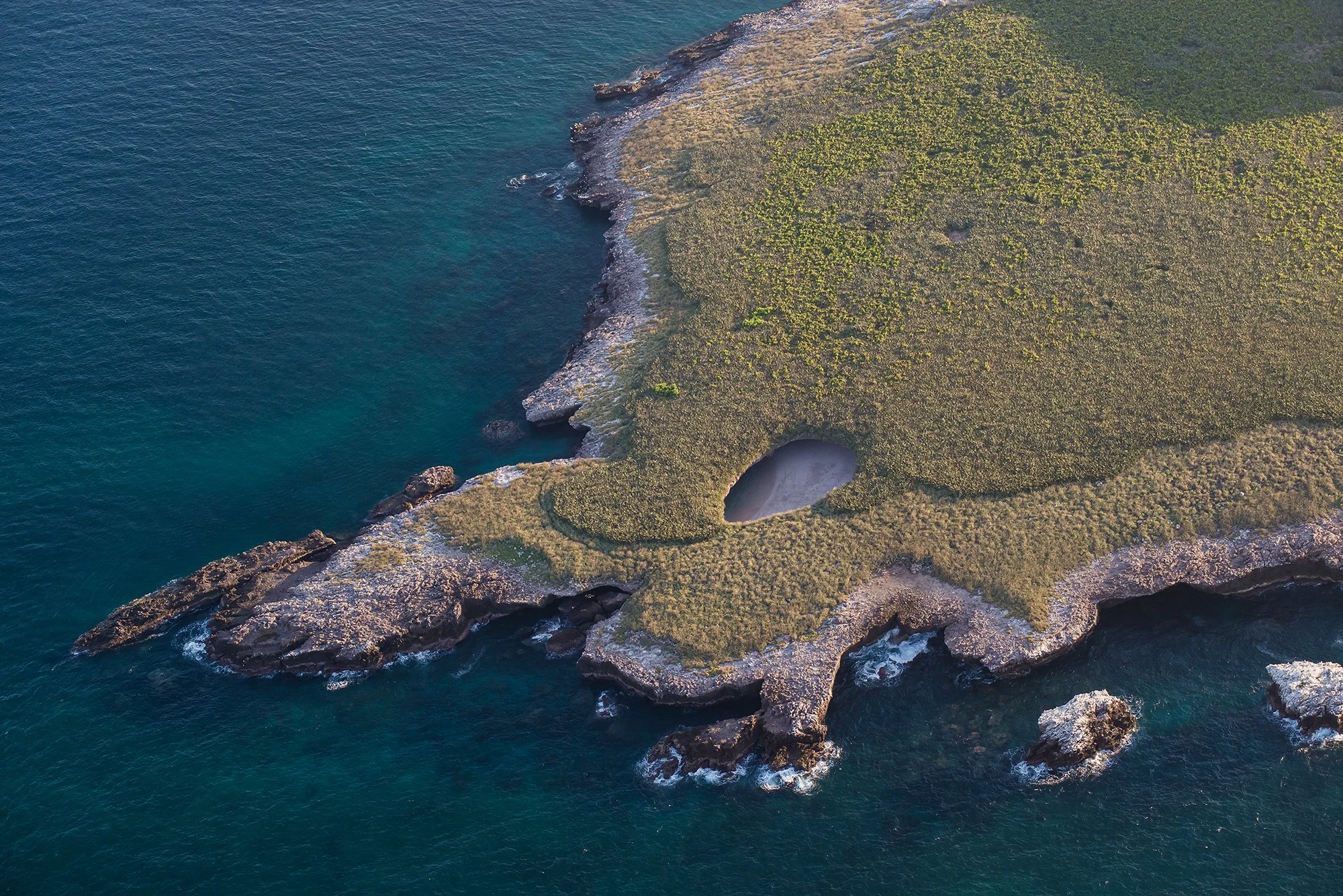
Located about 10 kilometers off the coast of Nayarit, the Marietas Islands form a small volcanic archipelago covering roughly 140 hectares of land area. Although close to the mainland, the islands support ecological conditions distinct from the adjacent coastline.
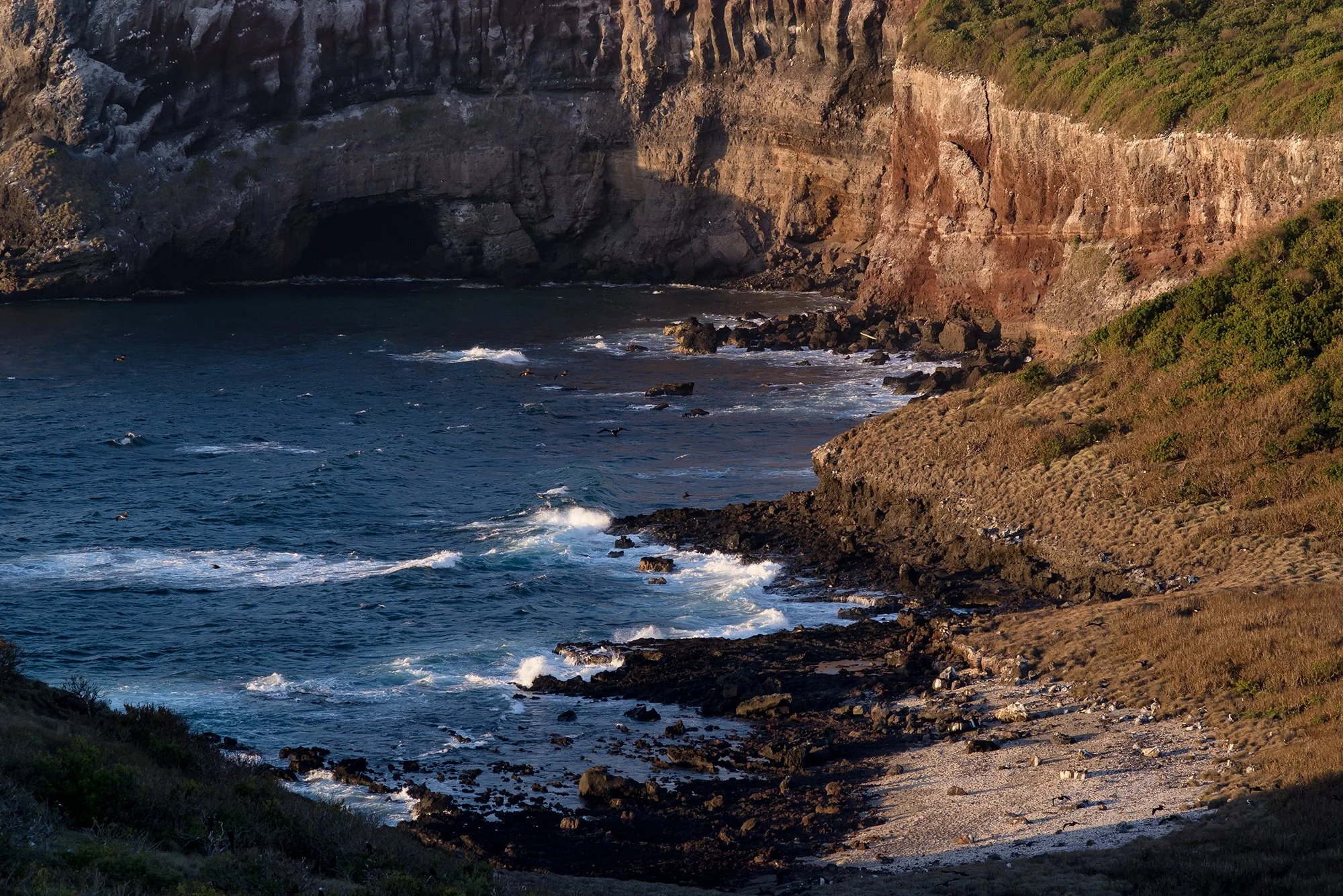
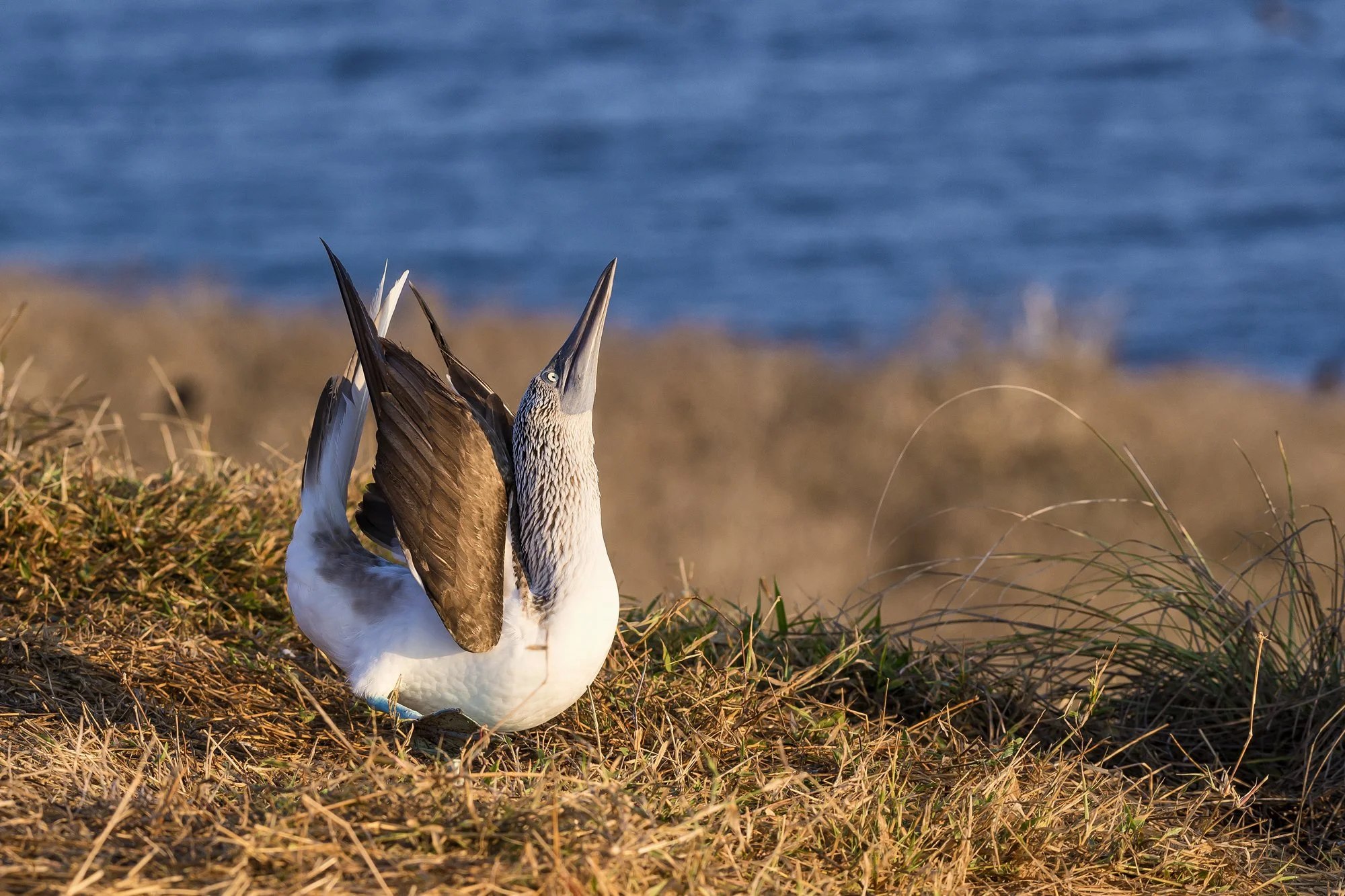
Steep cliffs and rocky slopes provide nesting habitat for large seabird colonies. Around 100 bird species have been recorded in the area, including blue-footed boobies, brown boobies, frigatebirds and tropicbirds, making the islands one of the most important seabird nesting sites along Mexico’s central Pacific coast.
Beneath the surface, the surrounding waters host a diverse reef community typical of the tropical Mexican Pacific. Rocky reefs, sandy bottoms and submerged caves support numerous reef fishes, rays and invertebrates, while seasonal ocean conditions occasionally bring larger pelagic species through the area.
Despite their proximity to the mainland, the Marietas Islands illustrate how even small offshore landforms can concentrate marine life and create important breeding habitat for coastal wildlife.

Isla Isabel
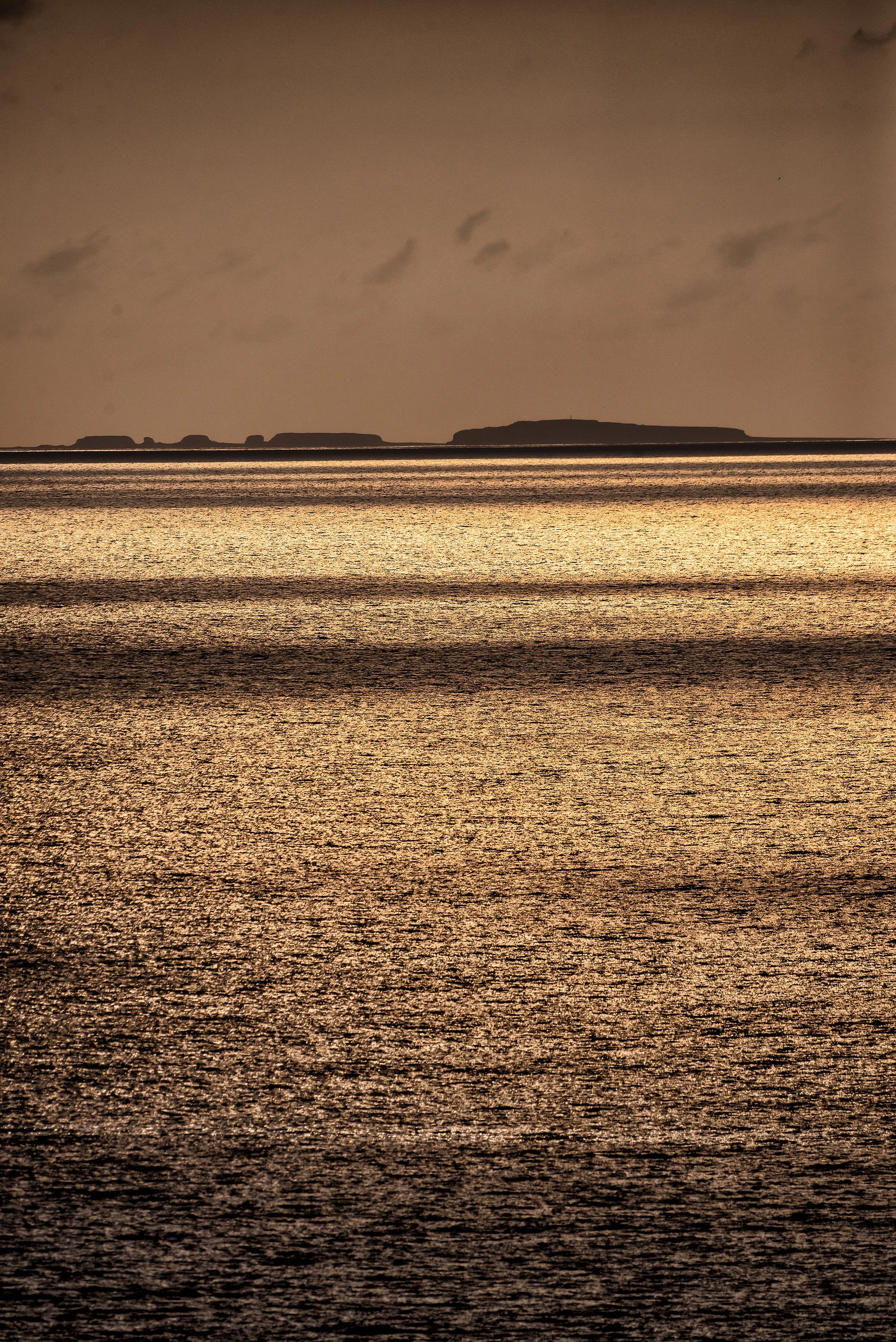
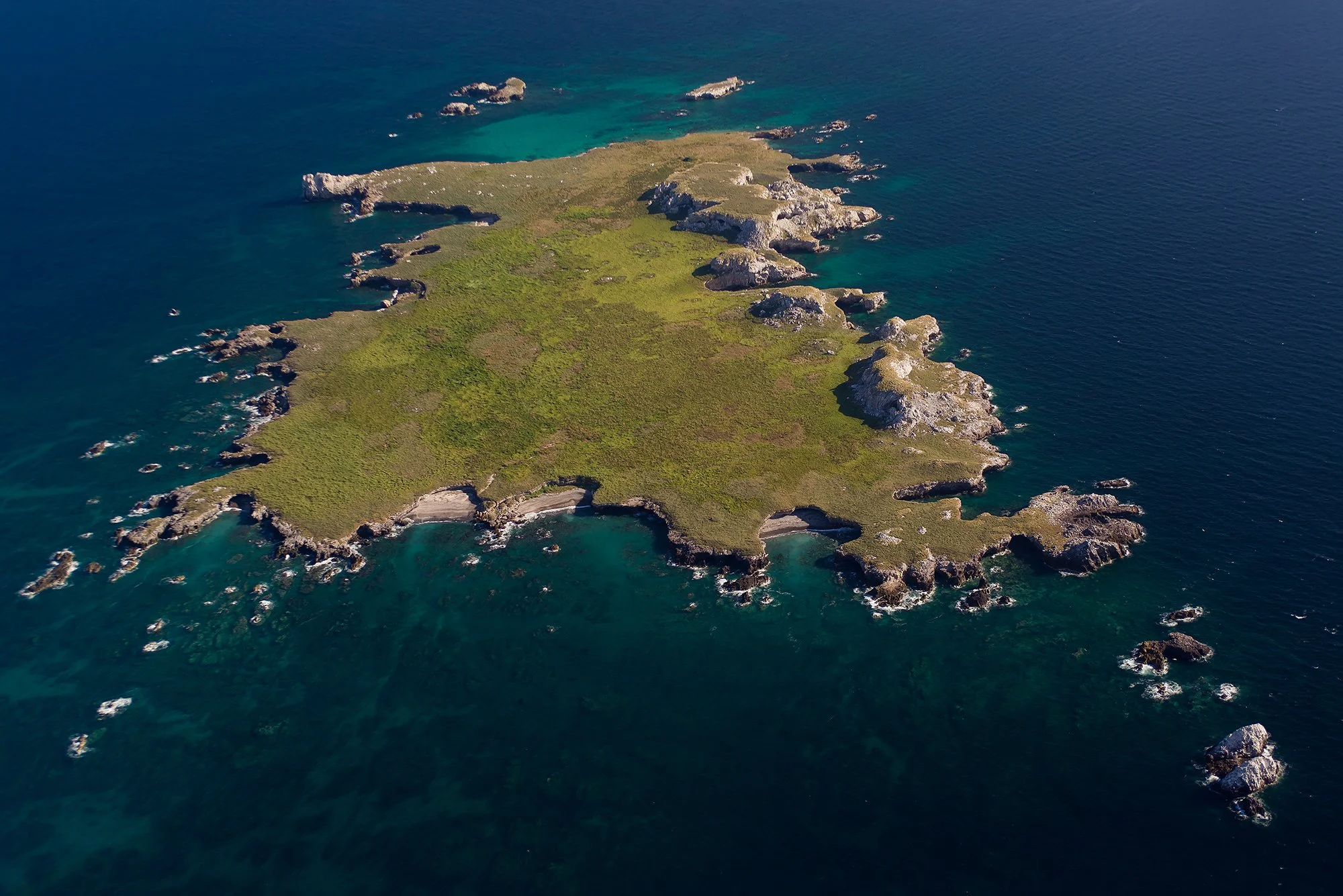
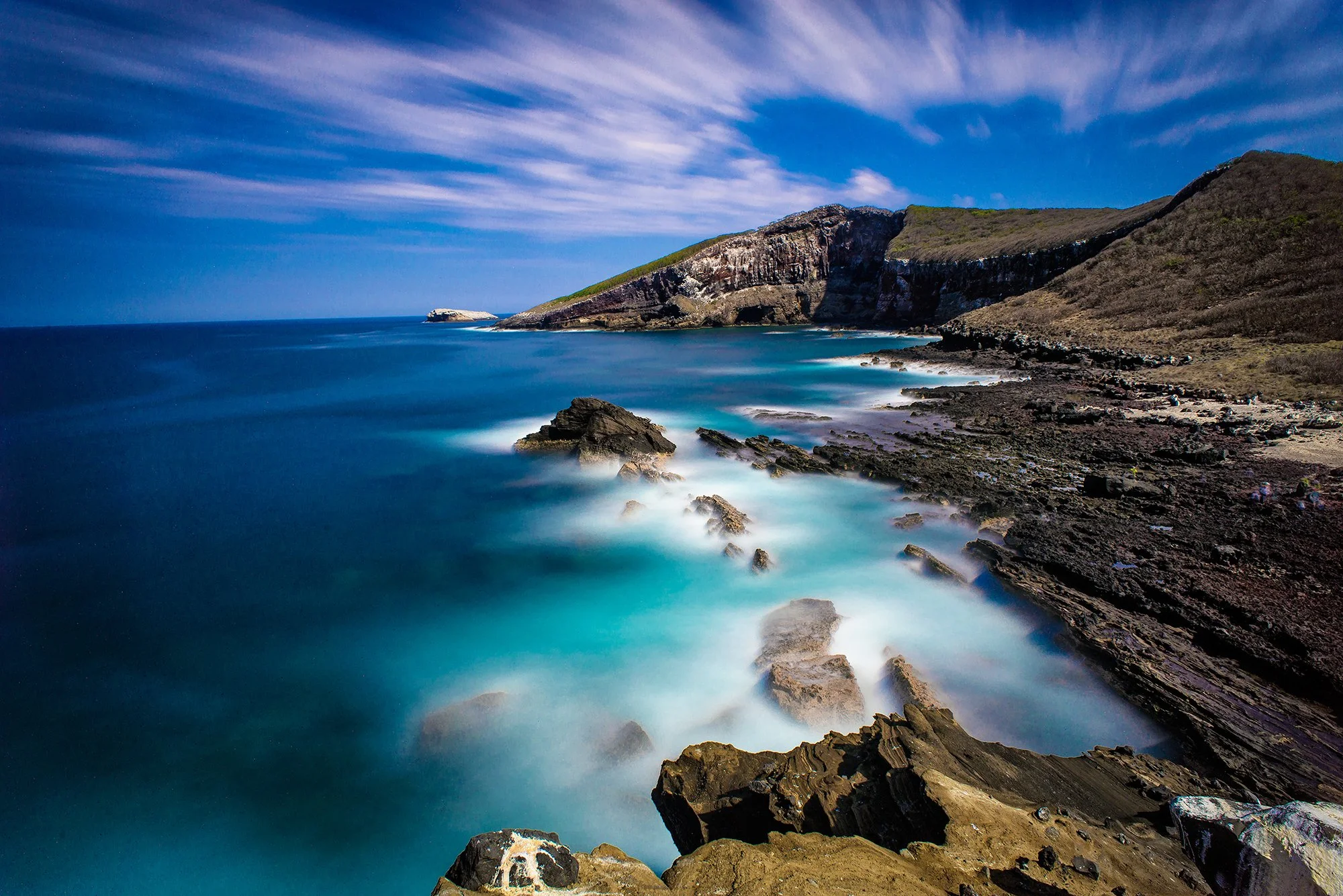
Farther offshore, Isla Isabel represents a more isolated island environment. Located roughly 28 kilometers off the coast of Nayarit, this small volcanic island covers just over 80 hectares but supports dense seabird colonies and surrounding marine habitats closely linked to coastal ocean processes.
Despite its modest size, the island hosts breeding populations of thousands of seabirds, including frigatebirds, brown and blue-footed boobies, and other species that depend on the island’s relative isolation for nesting. The surrounding reefs and rocky substrates support a diverse assemblage of reef fishes, rays and invertebrates typical of Mexico’s tropical Pacific waters.
Limited freshwater sources and constant exposure to ocean winds shape the island’s vegetation and terrestrial wildlife communities. Seasonal vegetation cycles, seabird activity and marine productivity together create a dynamic interface between land and sea, making Isla Isabel one of the most important seabird nesting sites along Mexico’s Pacific coast.

Revillagigedo Archipelago
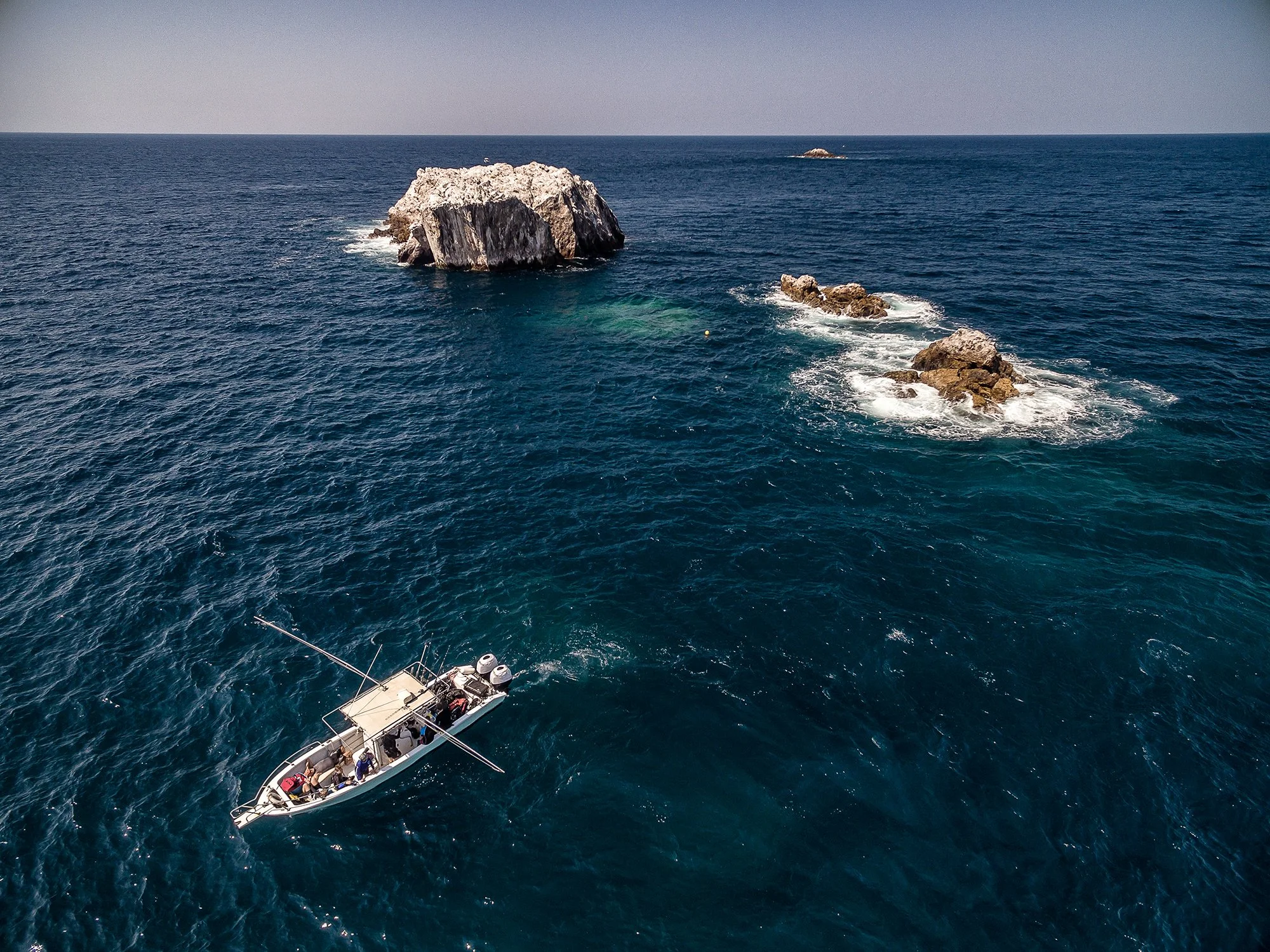
Located approximately 400 kilometers off Mexico’s Pacific coast, the Revillagigedo Archipelago forms one of the most remote island systems in the Eastern Tropical Pacific. The archipelago consists of four volcanic islands—Socorro, San Benedicto, Roca Partida and Clarión—rising from deep ocean floor along a submarine volcanic ridge.
Together the islands cover roughly 160 square kilometers of land area, but their ecological influence extends far beyond the visible landmass. Steep underwater slopes and seamount structures concentrate nutrient flows and ocean currents, creating conditions that attract large aggregations of pelagic species.
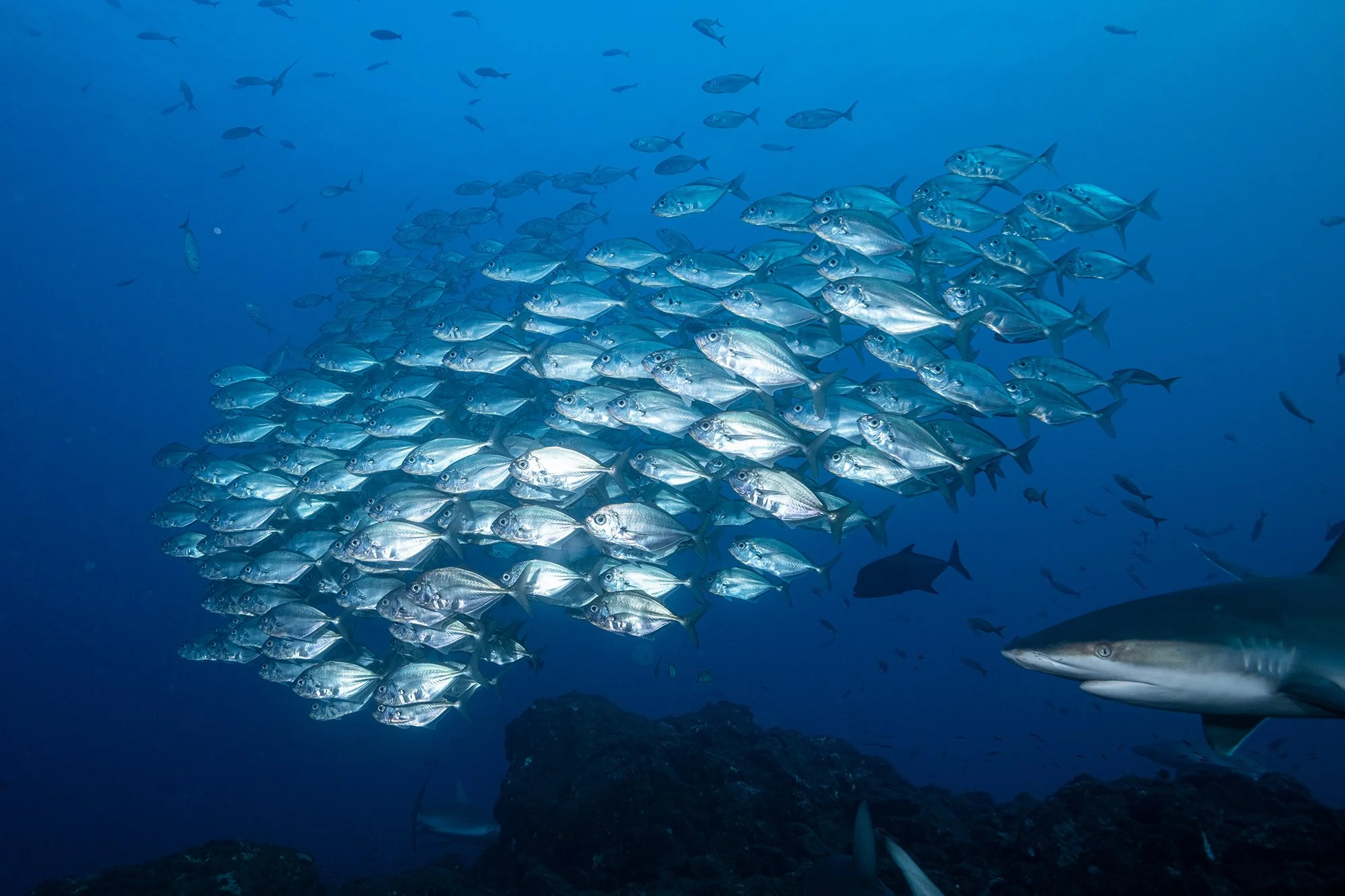
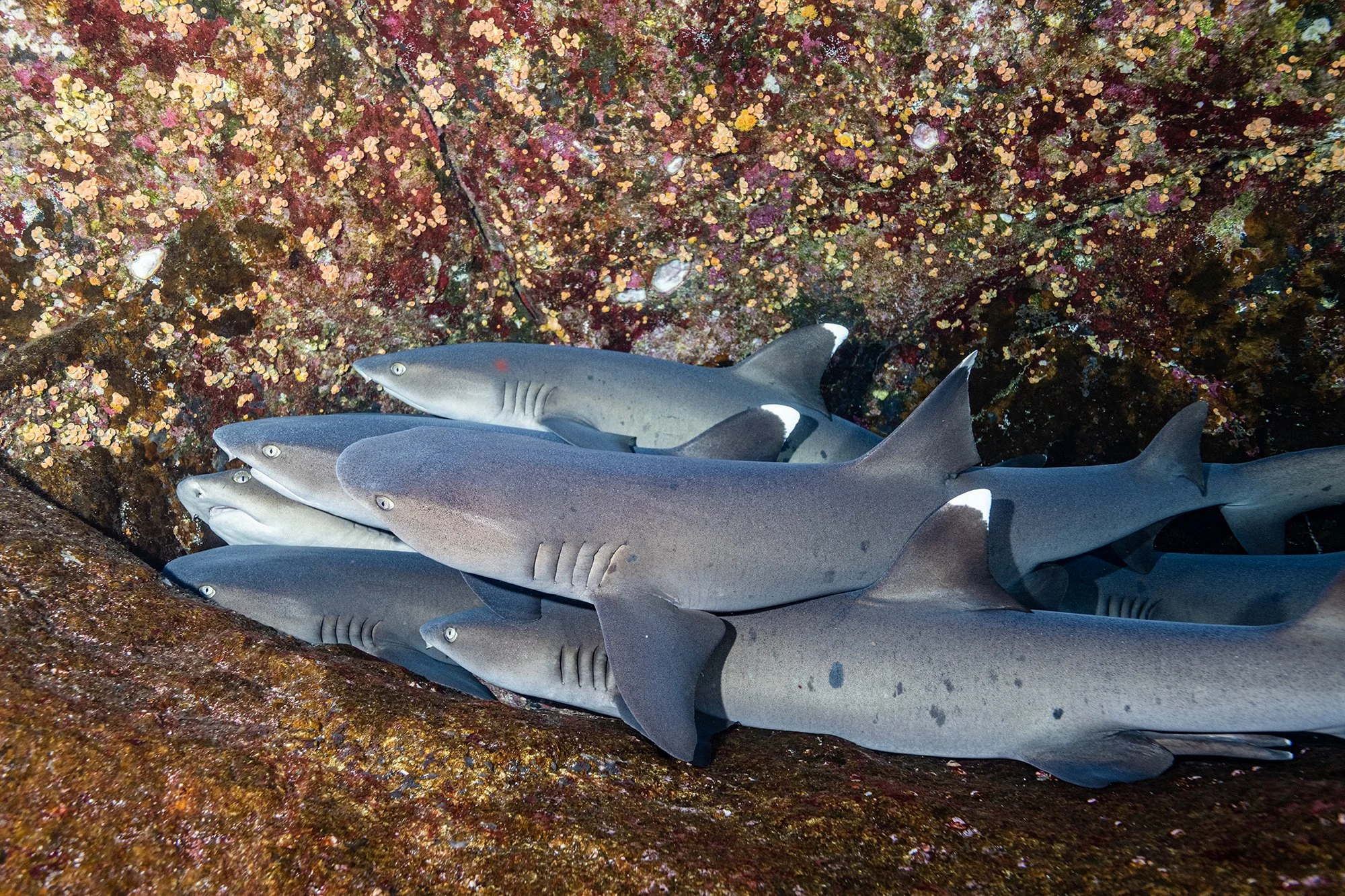
These waters are known for encounters with giant manta rays, several shark species, large schools of jacks and tuna, and other migratory marine life moving through the eastern Pacific. The archipelago lies within the Revillagigedo National Park, one of Mexico’s largest marine protected areas, covering nearly 150,000 square kilometers of ocean.
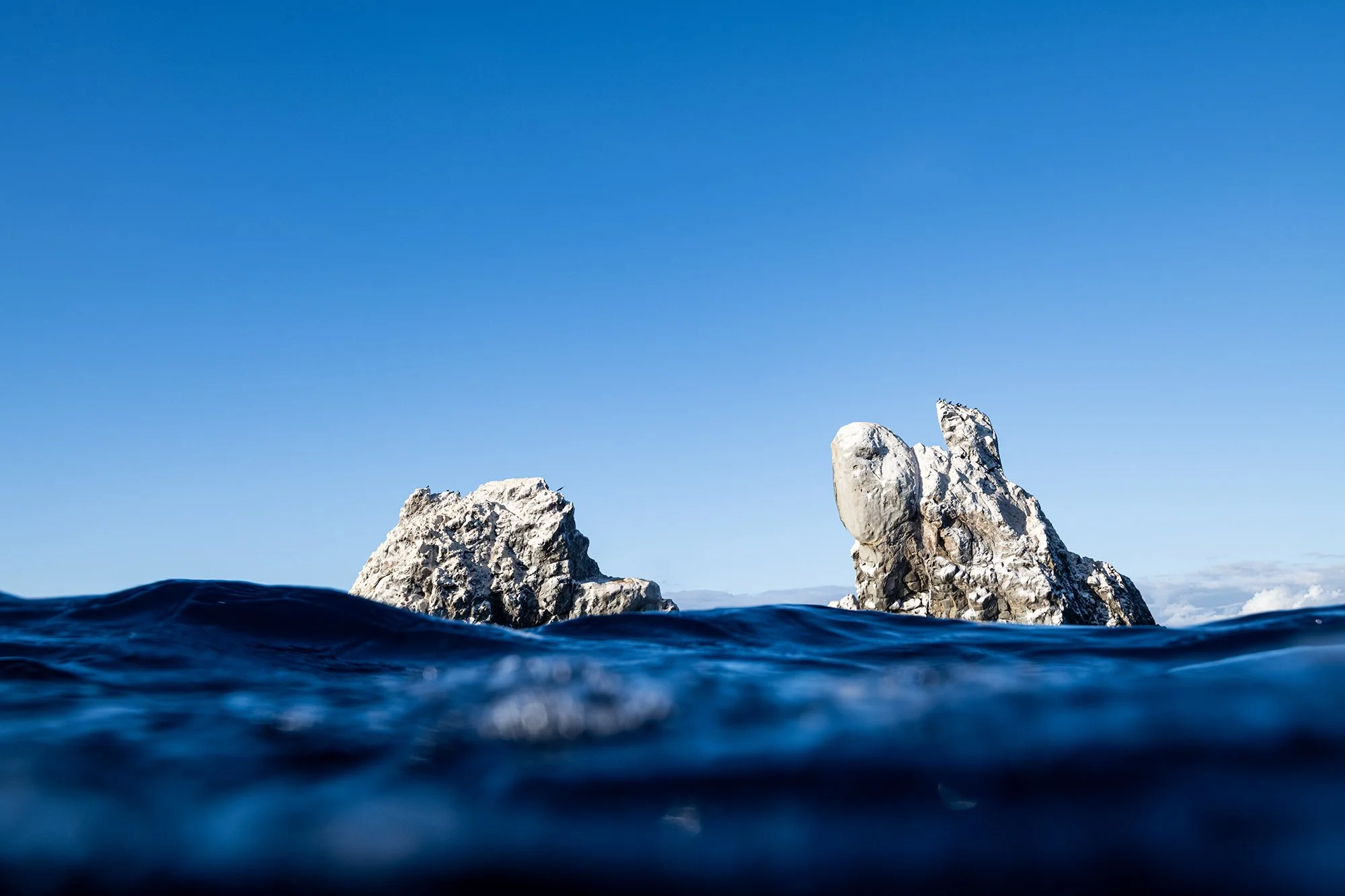
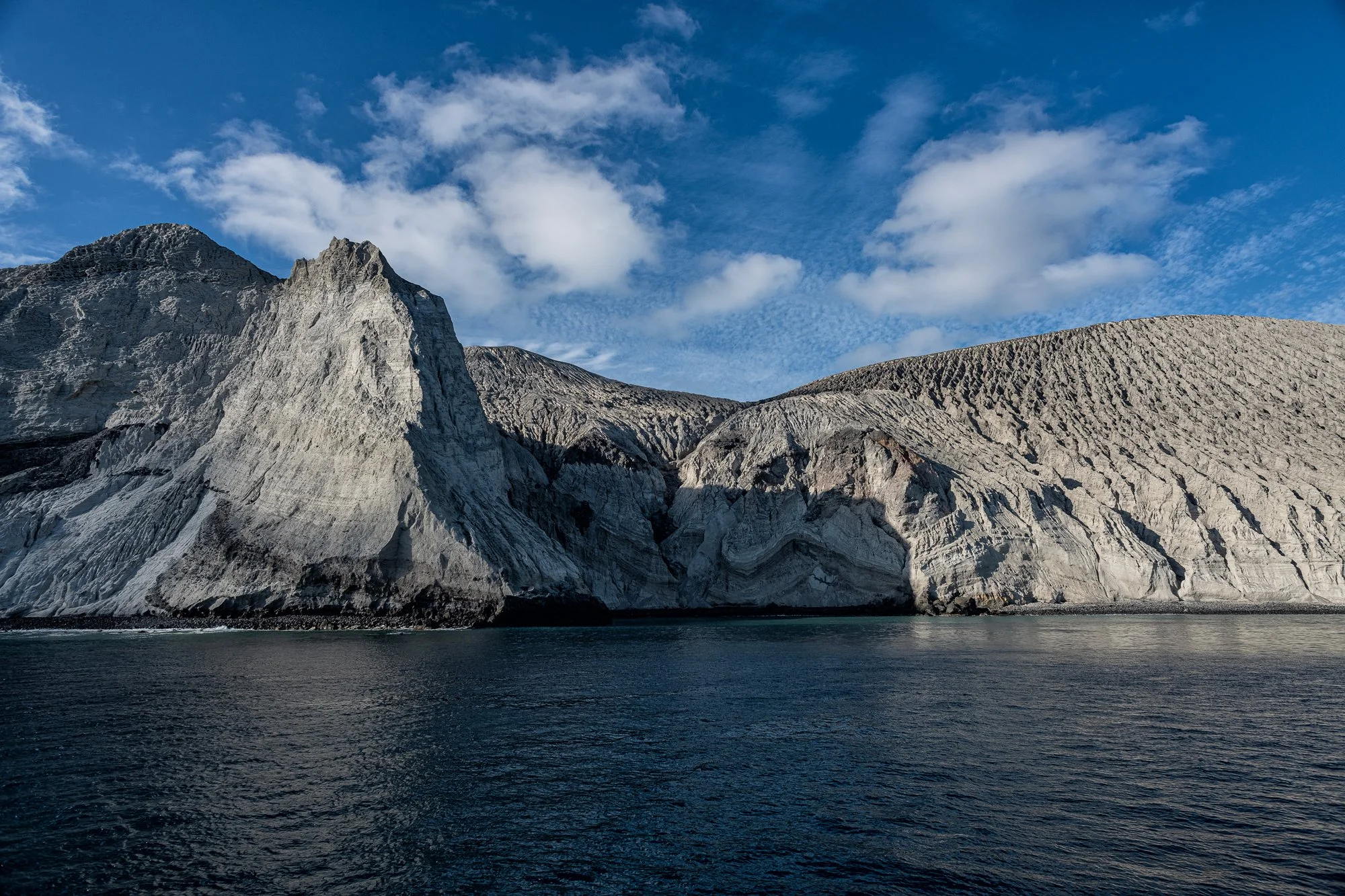
Above the surface, the islands appear rugged and sparsely vegetated, shaped by volcanic geology and exposure to strong ocean winds. Beneath the waterline, however, the surrounding reefs and drop-offs support complex marine communities influenced by both tropical and subtropical ocean currents.