Mexican Pacific
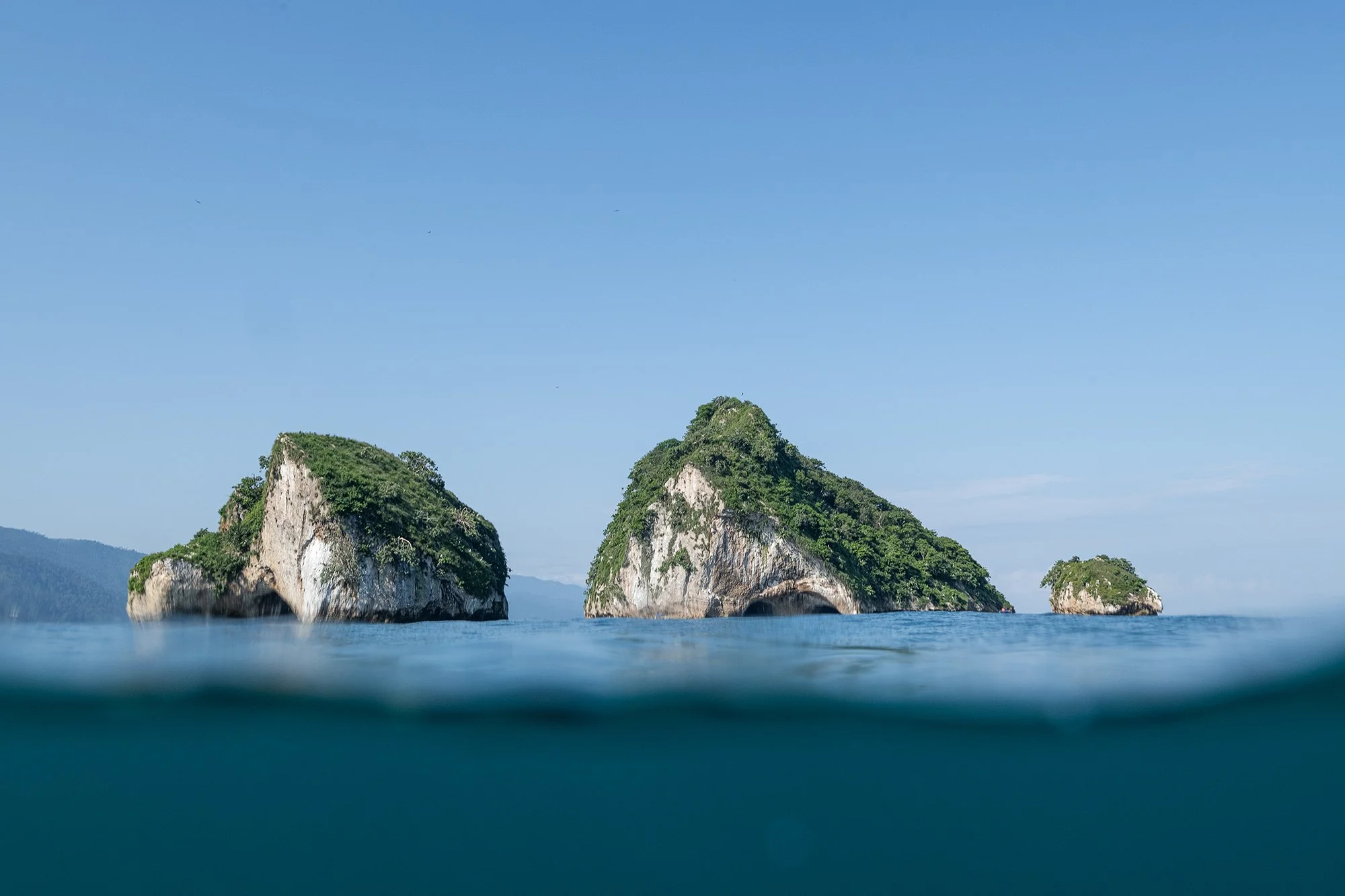
Stretching along Mexico’s western coastline, the Mexican Pacific encompasses a diverse mosaic of marine habitats shaped by seasonal currents, coastal upwelling and complex shoreline geography. From sheltered bays and rocky reefs to mangrove estuaries and offshore islands, the region supports a dynamic assemblage of tropical and subtropical marine life.
Situated within the Eastern Tropical Pacific biogeographic province, these waters experience marked seasonal variation influenced by temperature shifts, nutrient availability and oceanographic circulation patterns. Such variability contributes to both high biodiversity and distinctive community structure across habitats.
Field documentation within this region has focused on nearshore reefs, sandy bottoms, mangrove systems and pelagic waters, reflecting the ecological range accessible along the Pacific slope of Western Mexico. The observations and photographic records presented throughout Viva Natura are rooted in direct, in-water field experience across these varied environments.
Rocky Reefs
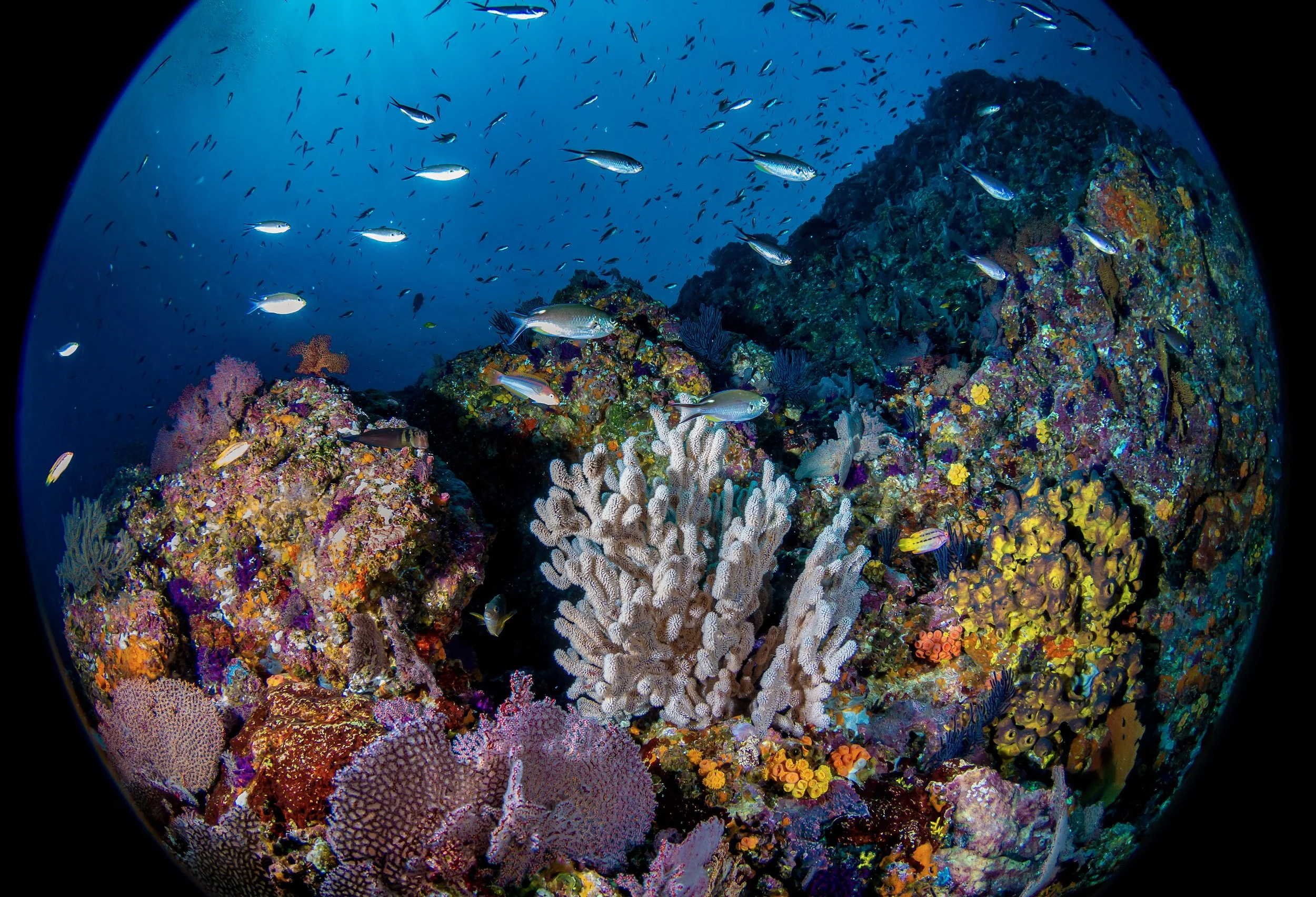
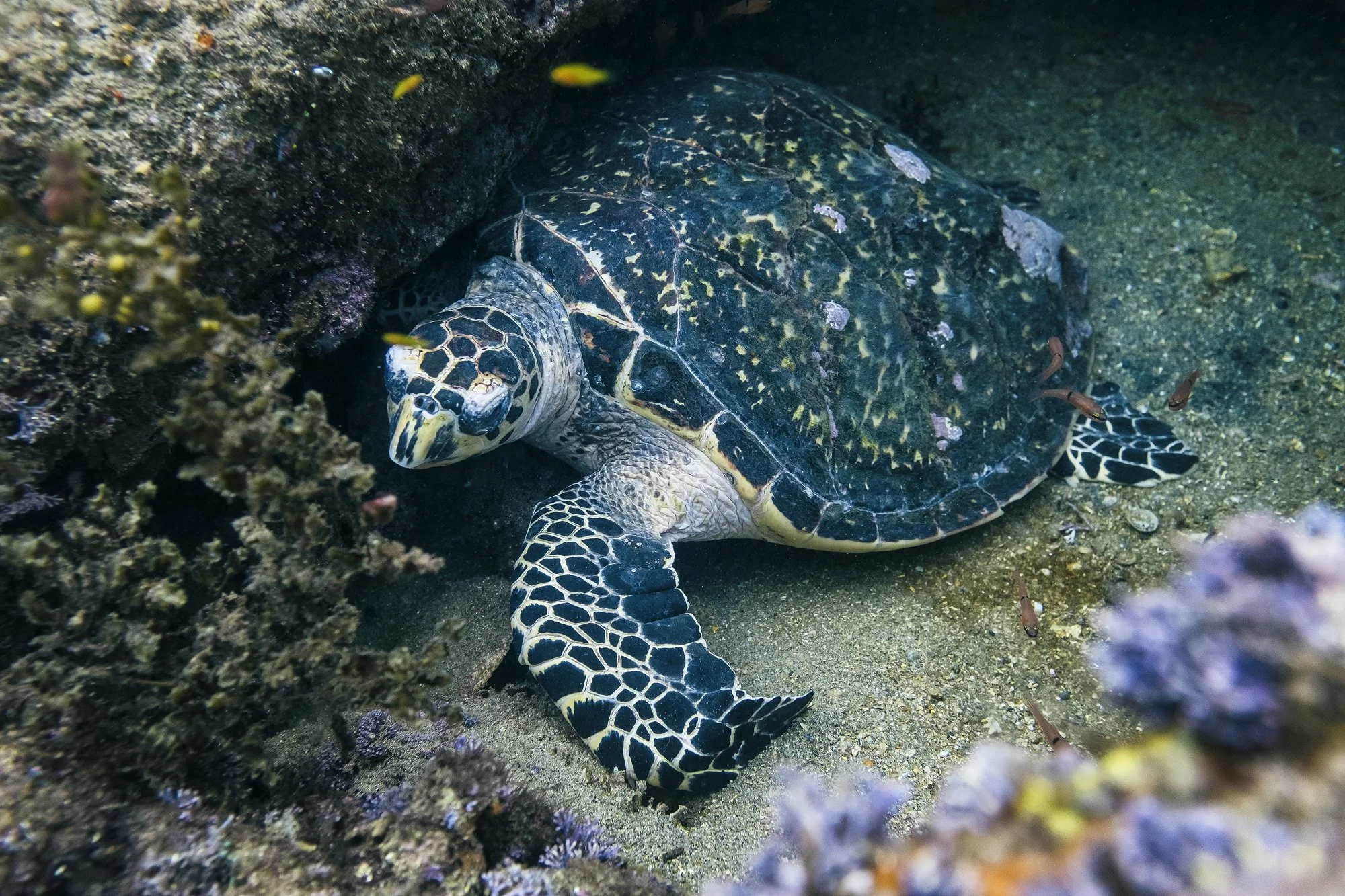
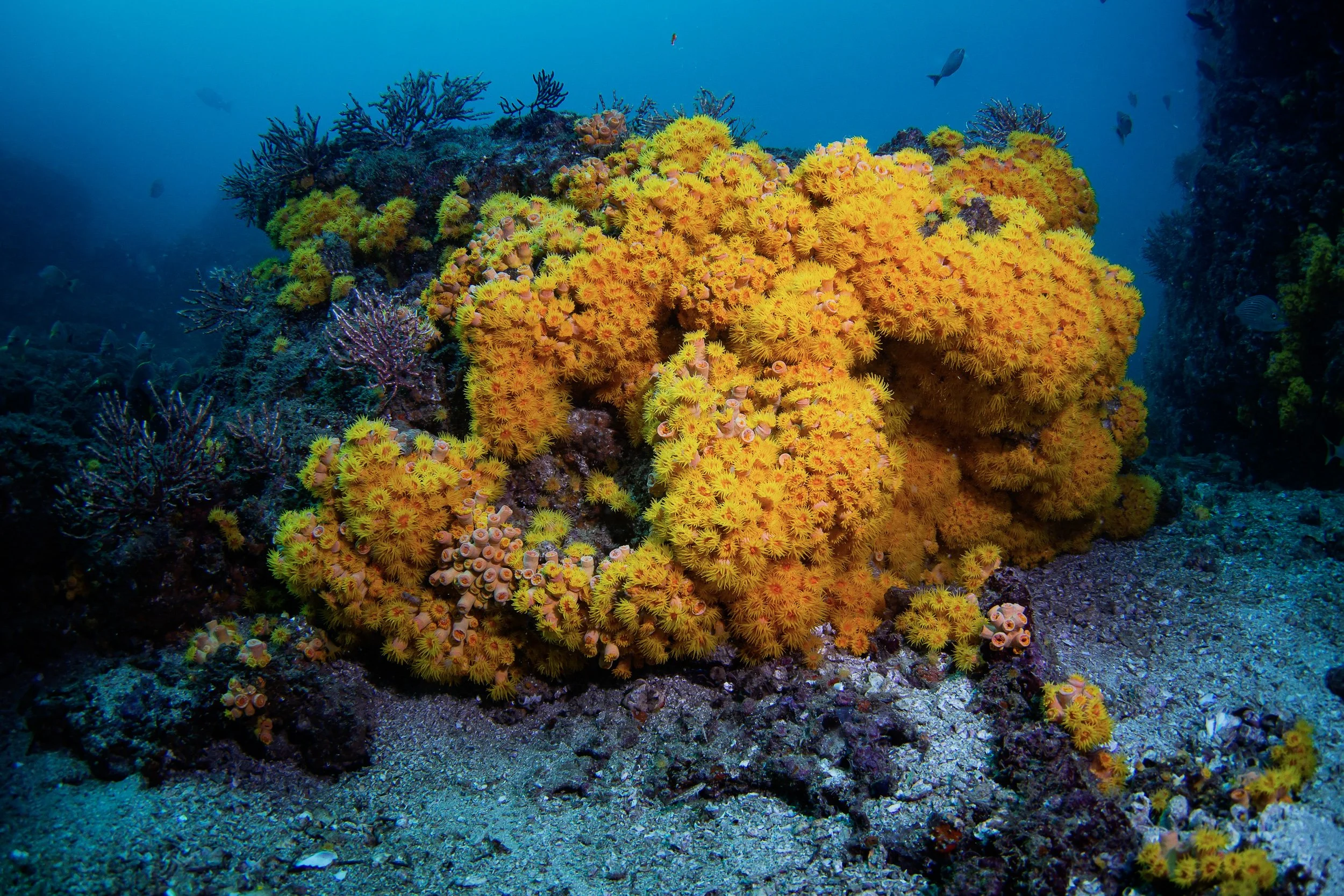
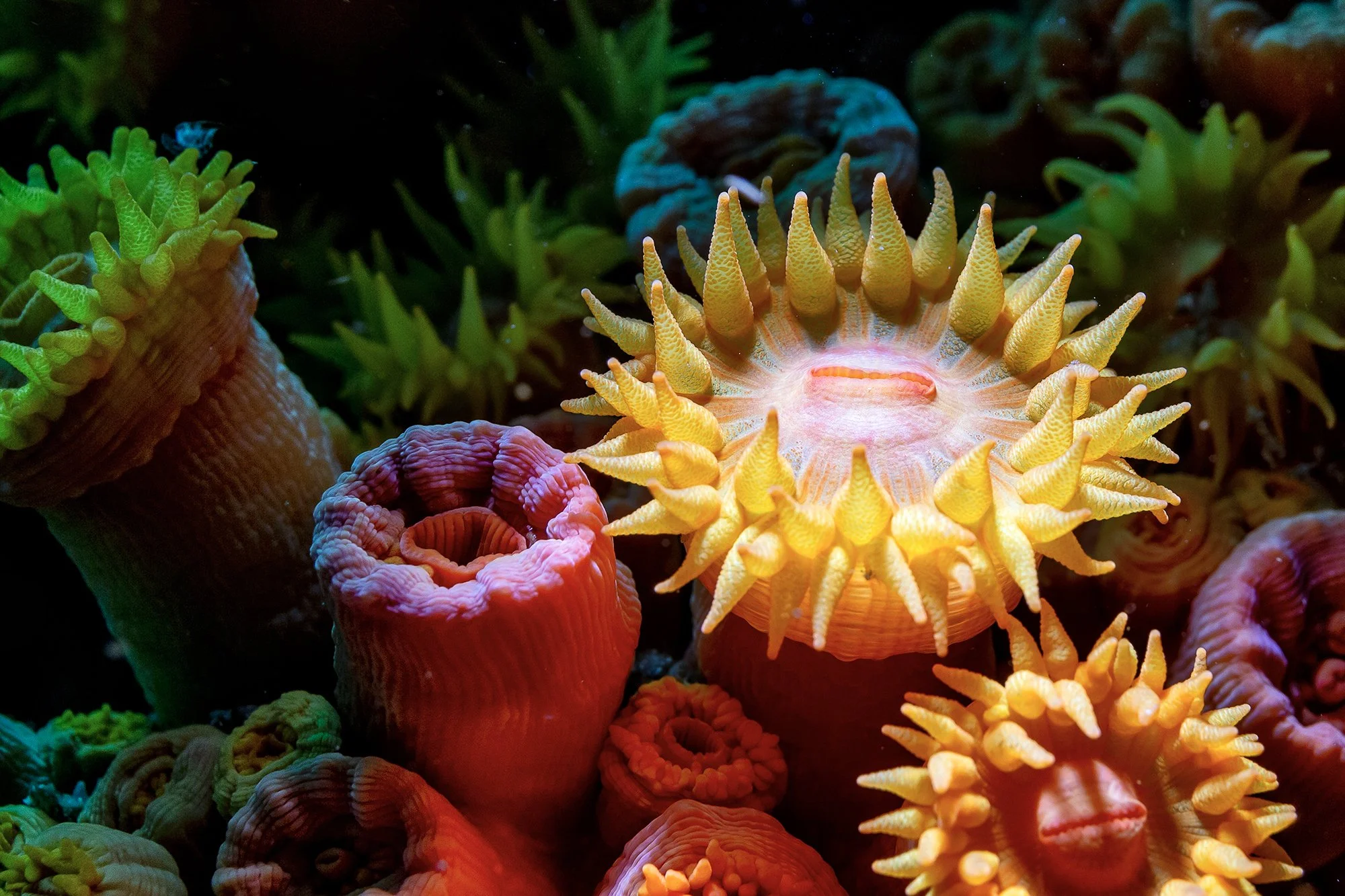
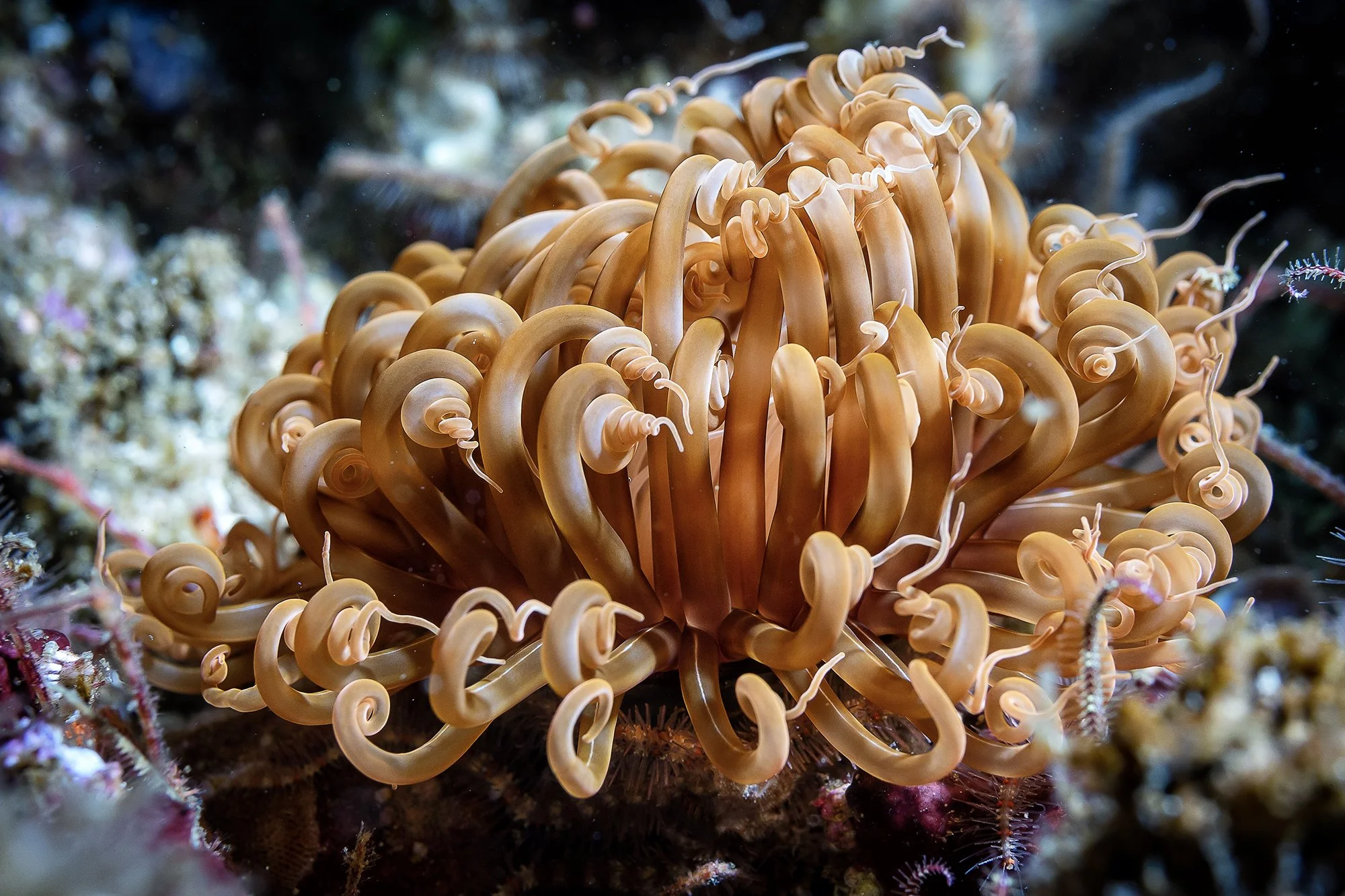
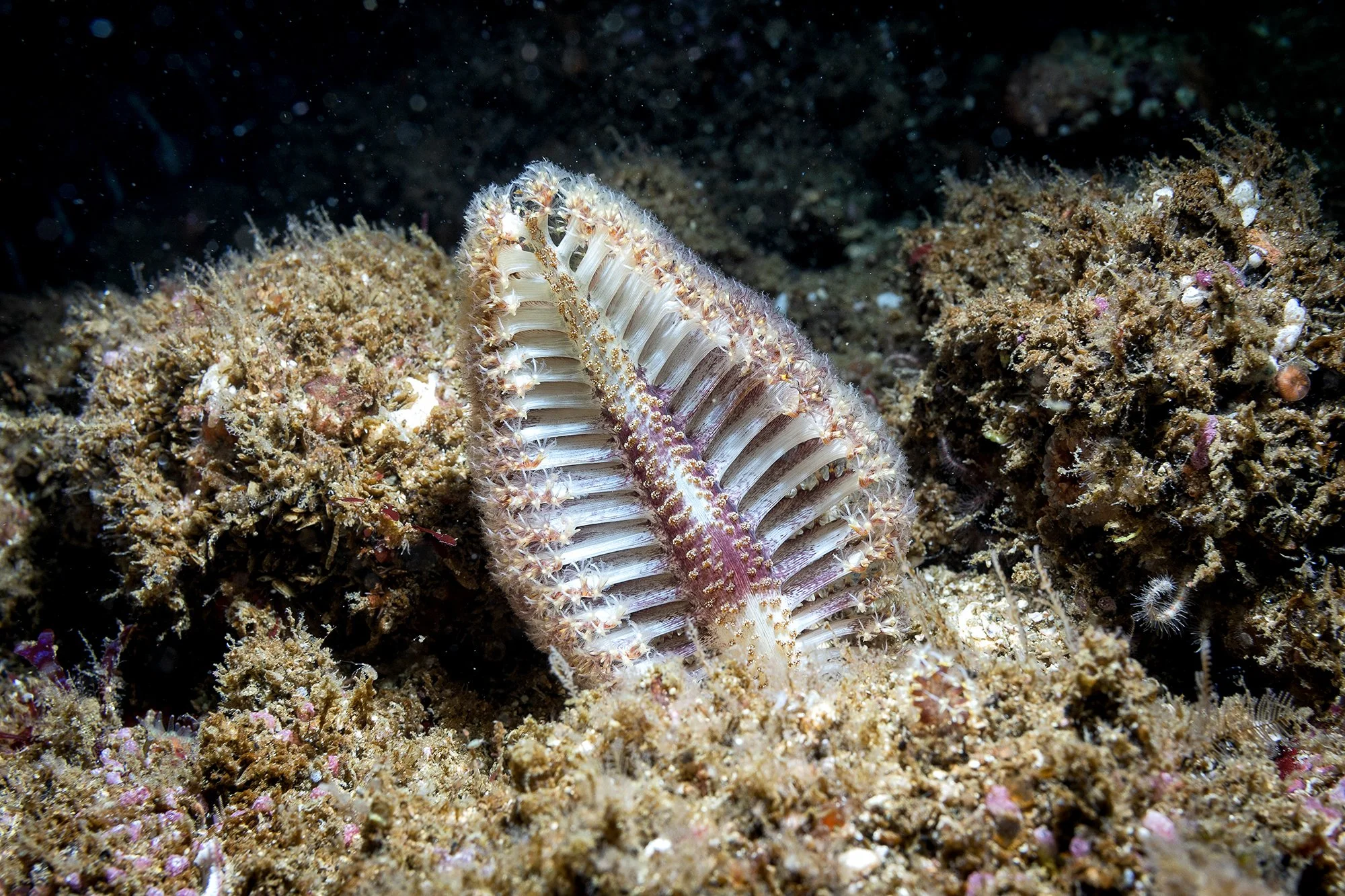
Rocky reef systems dominate much of the shallow nearshore environment along the Mexican Pacific coast. These structurally complex habitats provide refuge for reef fishes, invertebrates and seasonal visitors influenced by shifting temperature regimes and oceanic currents.
Reef communities vary regionally depending on substrate composition, depth and exposure, creating microhabitats that support both resident and transient species. Continued observation across seasons reveals subtle but significant changes in species composition and behavior.
Sandy Bottoms
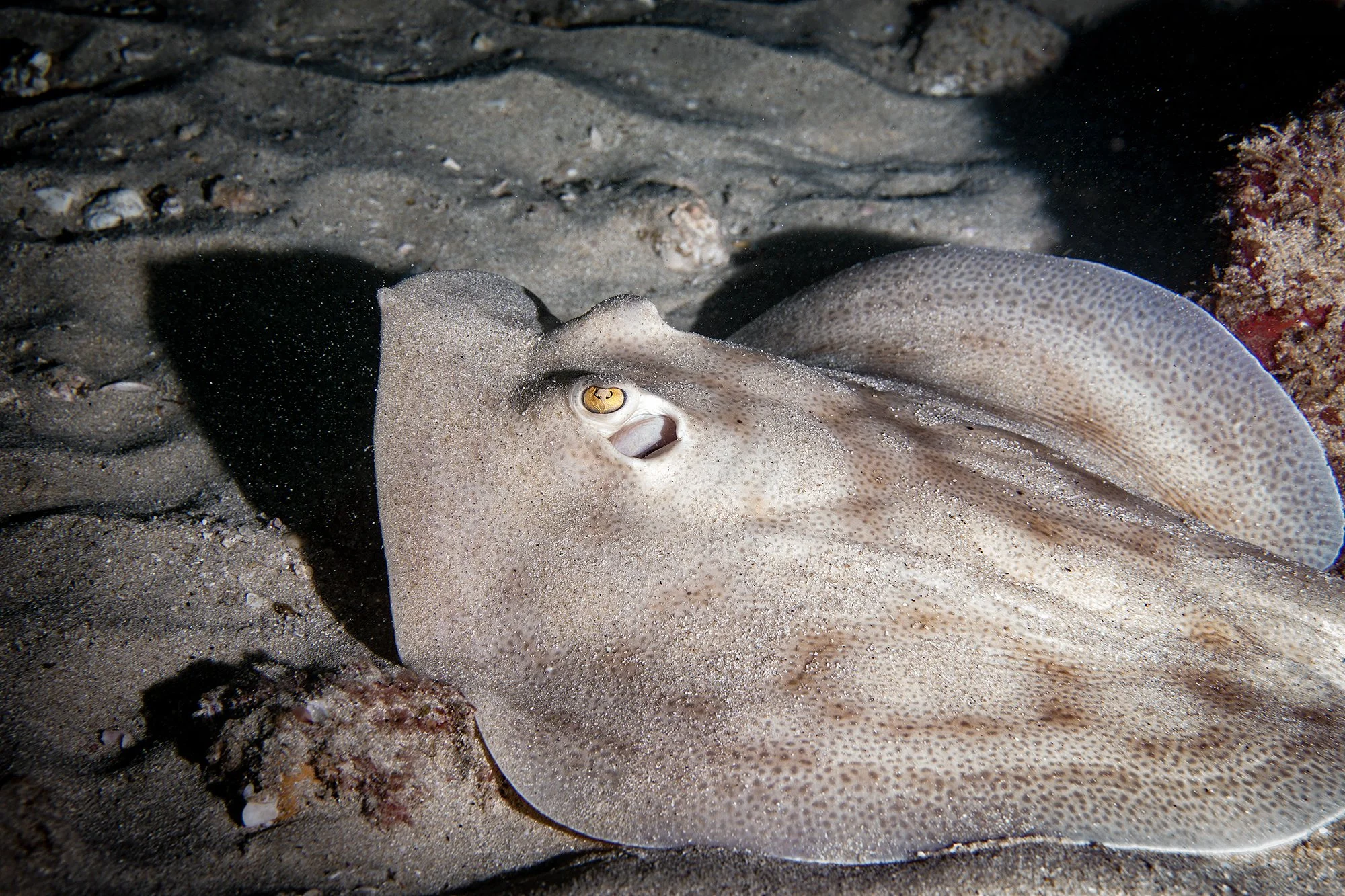
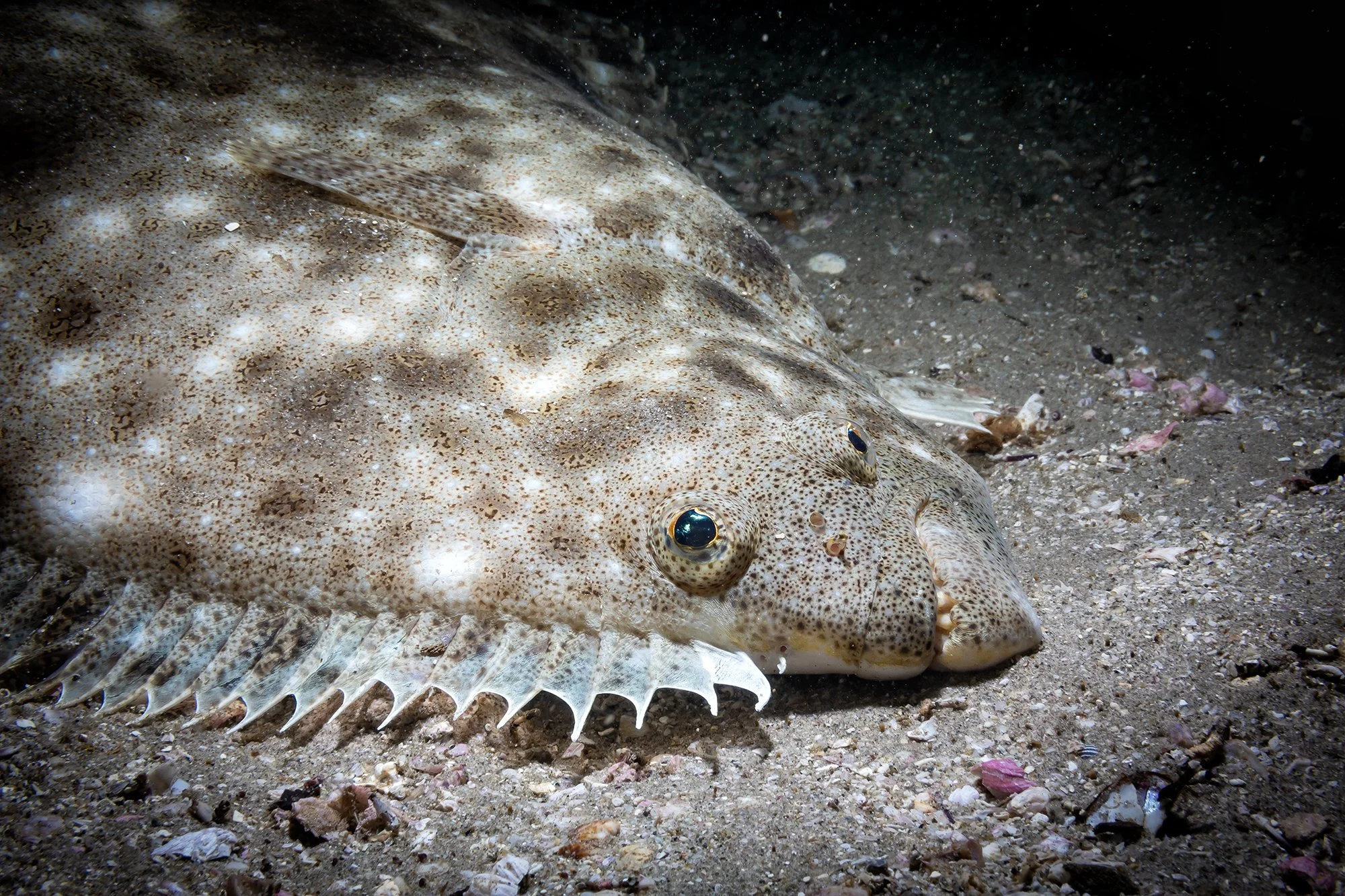
Often overlooked in comparison to rocky reefs, sandy habitats host a range of burrowing and camouflaged organisms adapted to sediment environments shaped by wave action and tidal movement.
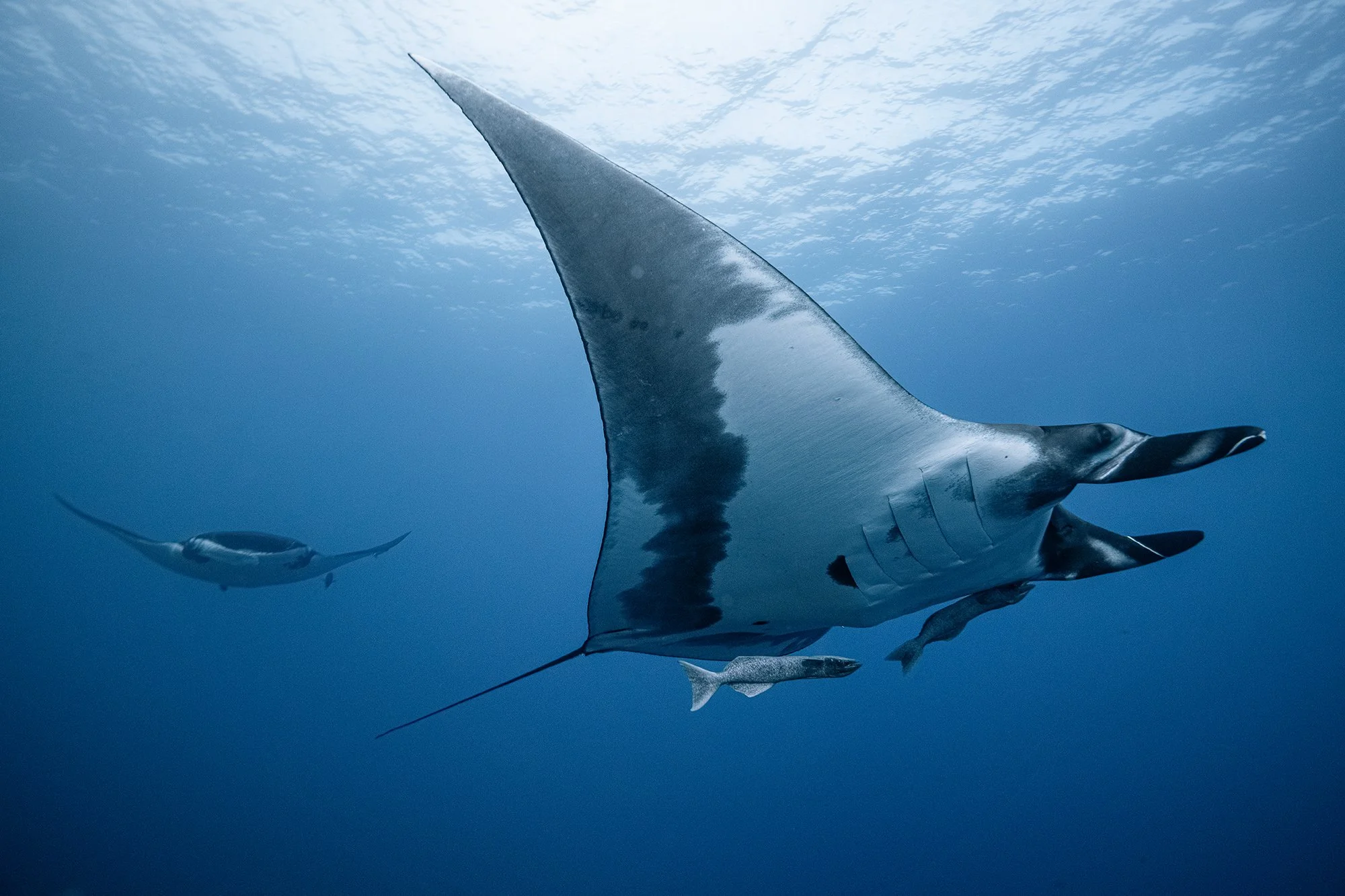
Rays, flatfishes and invertebrates utilize these open substrates for feeding and concealment, demonstrating specialized behavioral and morphological adaptations to dynamic bottom conditions.
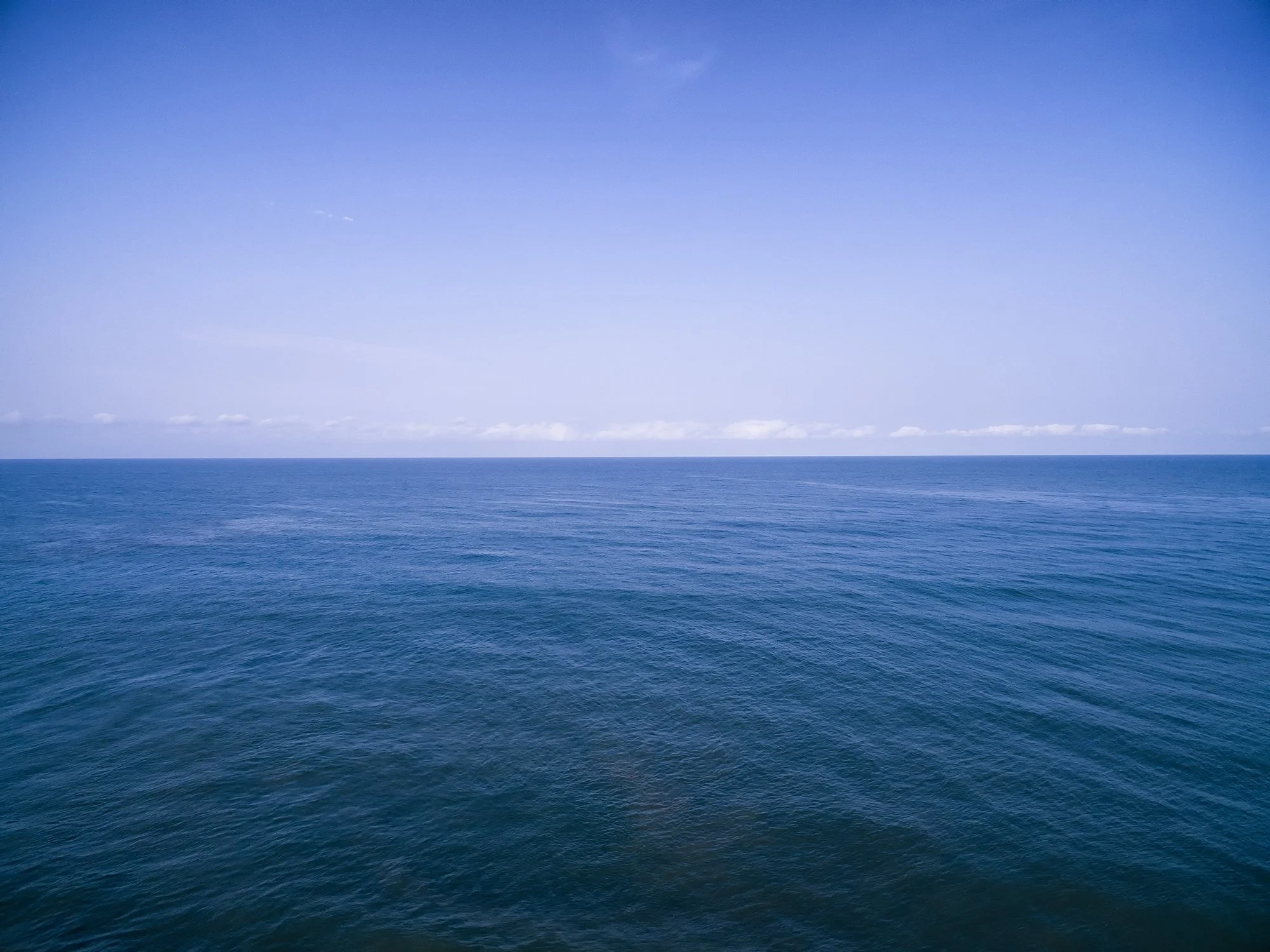
Pelagic waters
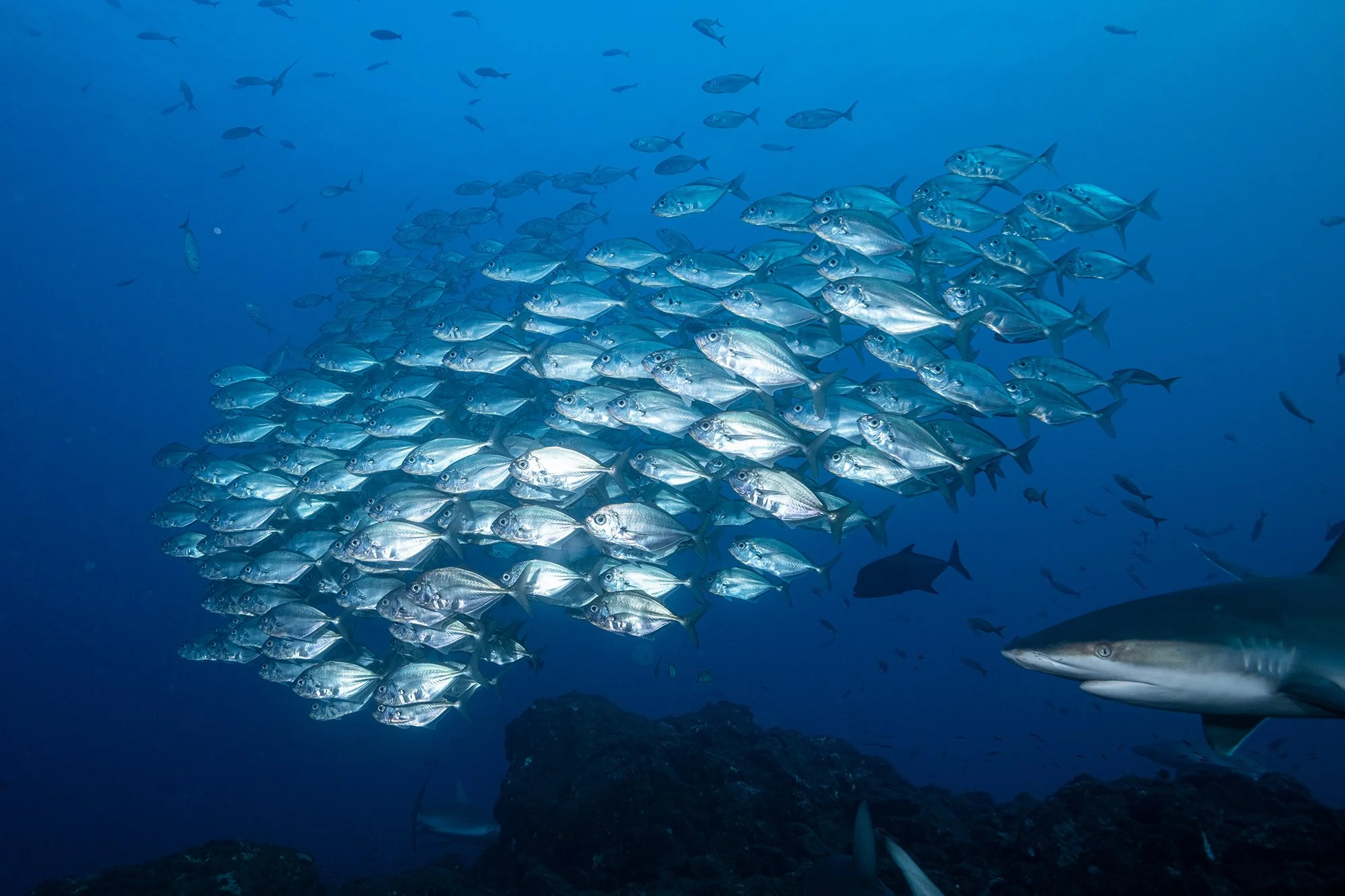
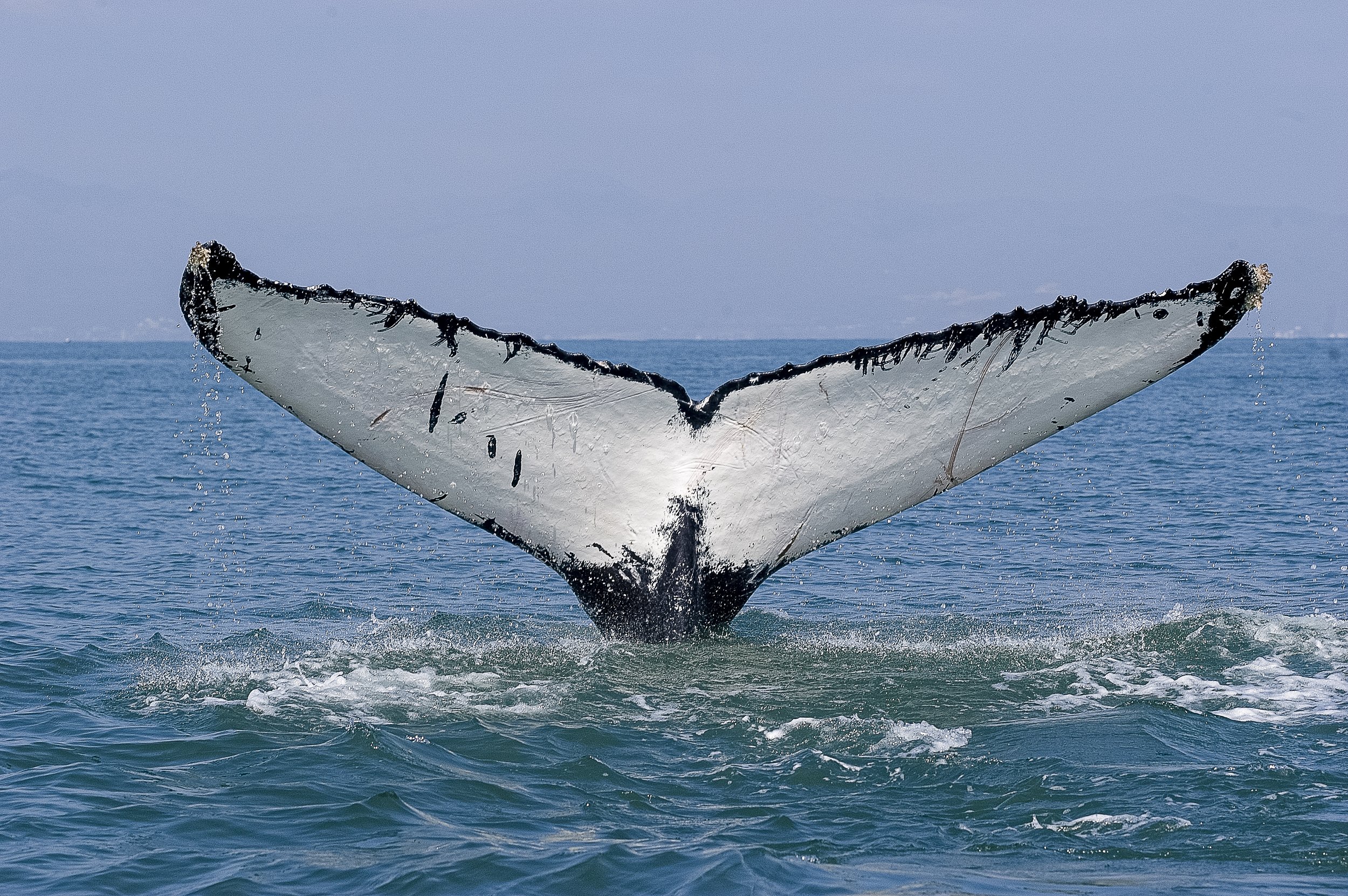
Beyond the reef margin, open water environments support highly mobile species influenced by oceanographic conditions and seasonal productivity. Sharks, rays and large teleosts move through these waters in patterns shaped by temperature, prey availability and migratory cycles.
Pelagic habitats, though less visibly structured than reefs, represent a critical component of the region’s marine biodiversity and ecological connectivity.
Mangroves
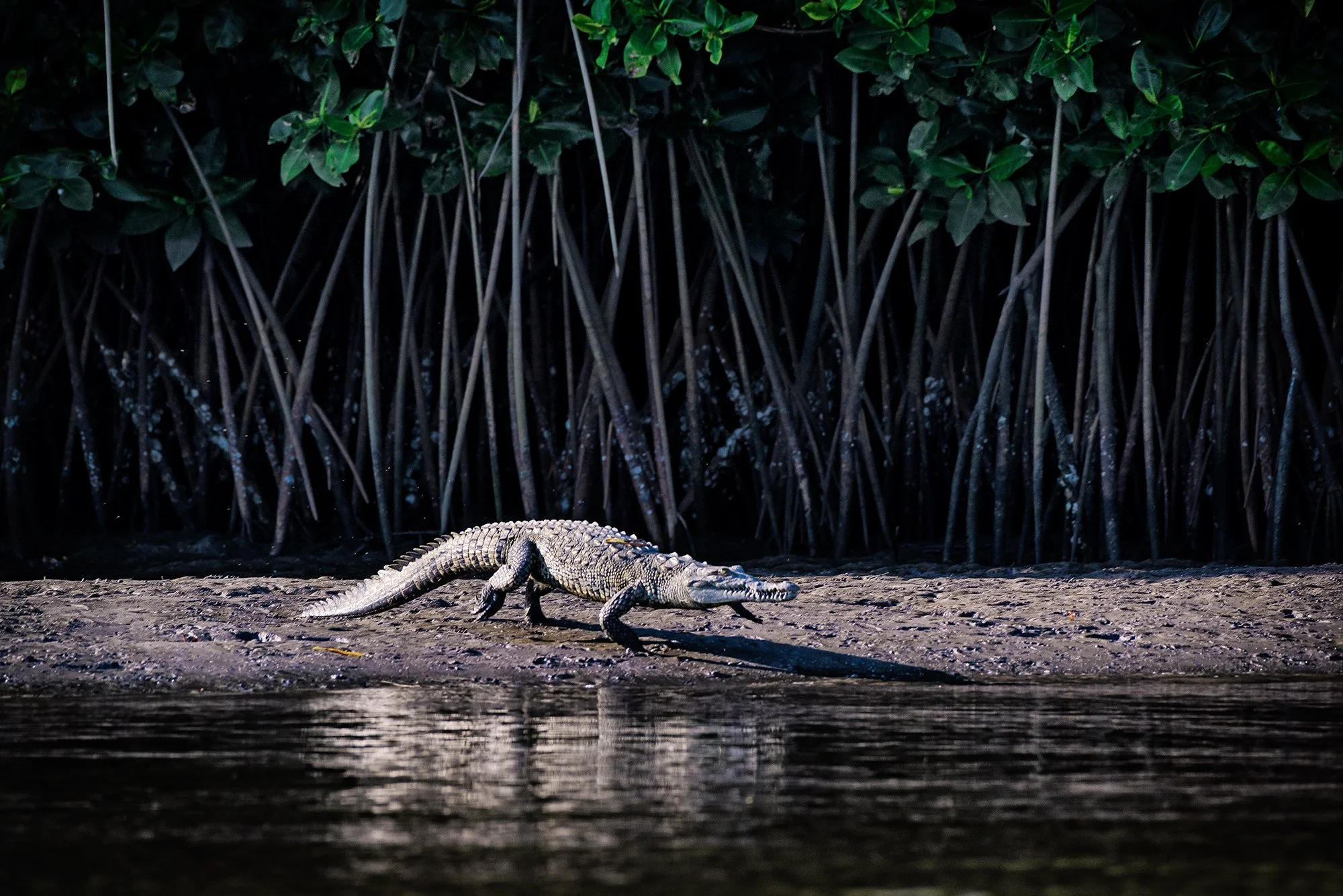
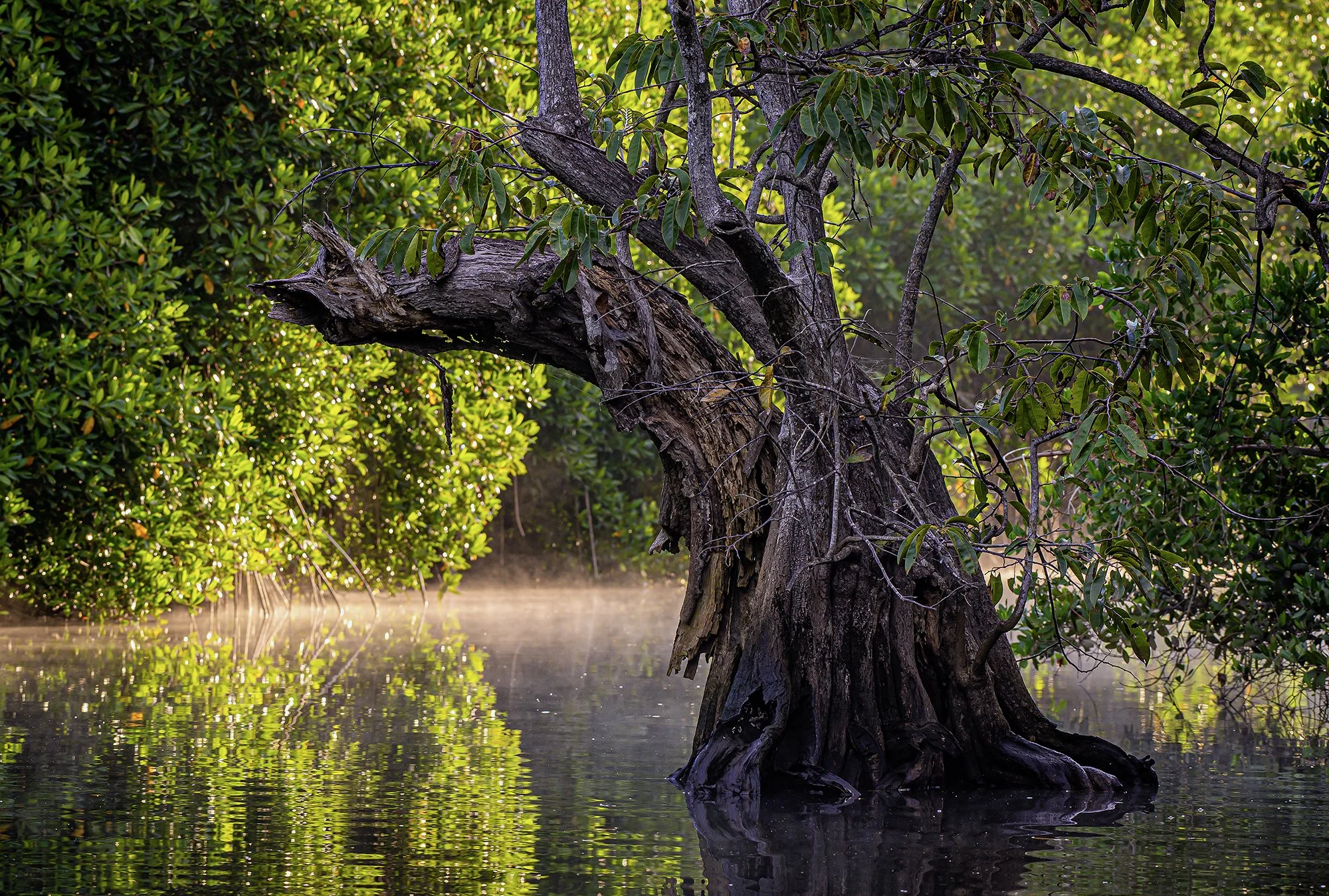
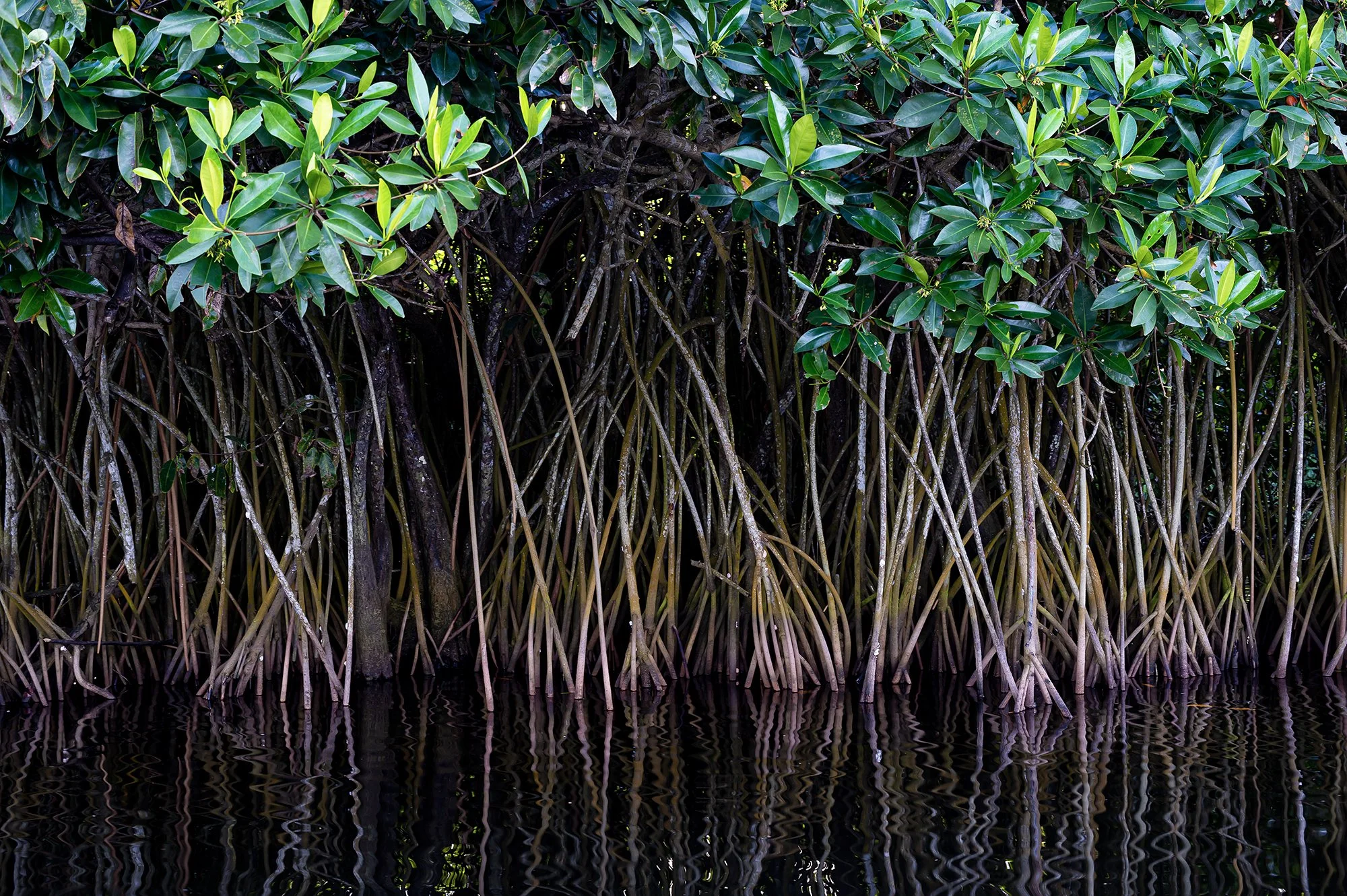
Mangrove systems function as transitional environments between land and sea. Their root networks provide shelter for juvenile fishes, crustaceans and mollusks while stabilizing sediment and contributing to nutrient cycling within coastal ecosystems.
These estuarine habitats serve as critical nursery grounds, linking terrestrial and marine food webs. Seasonal rainfall and tidal variation further shape species presence and ecological dynamics.