Pacific Forests
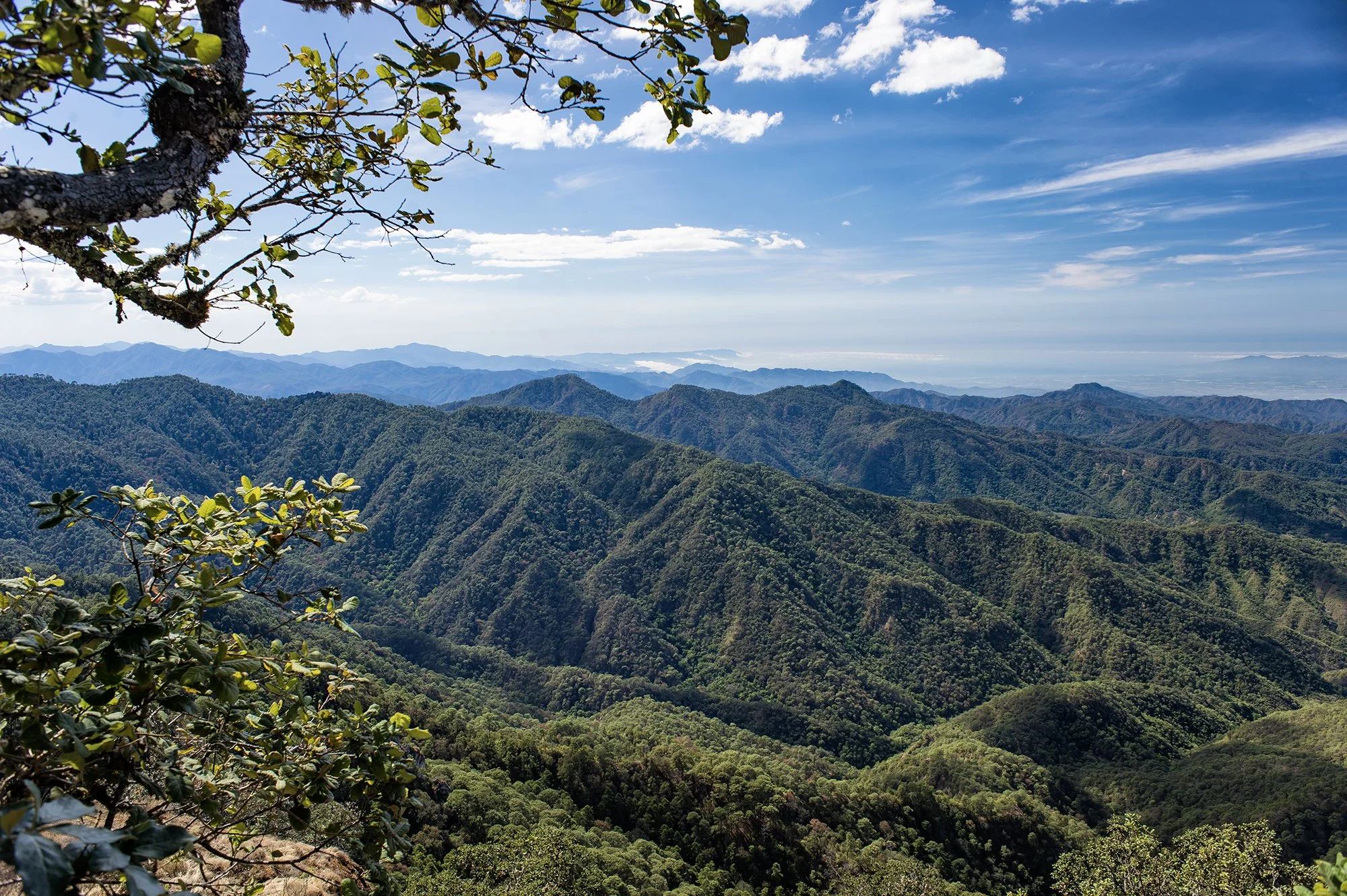
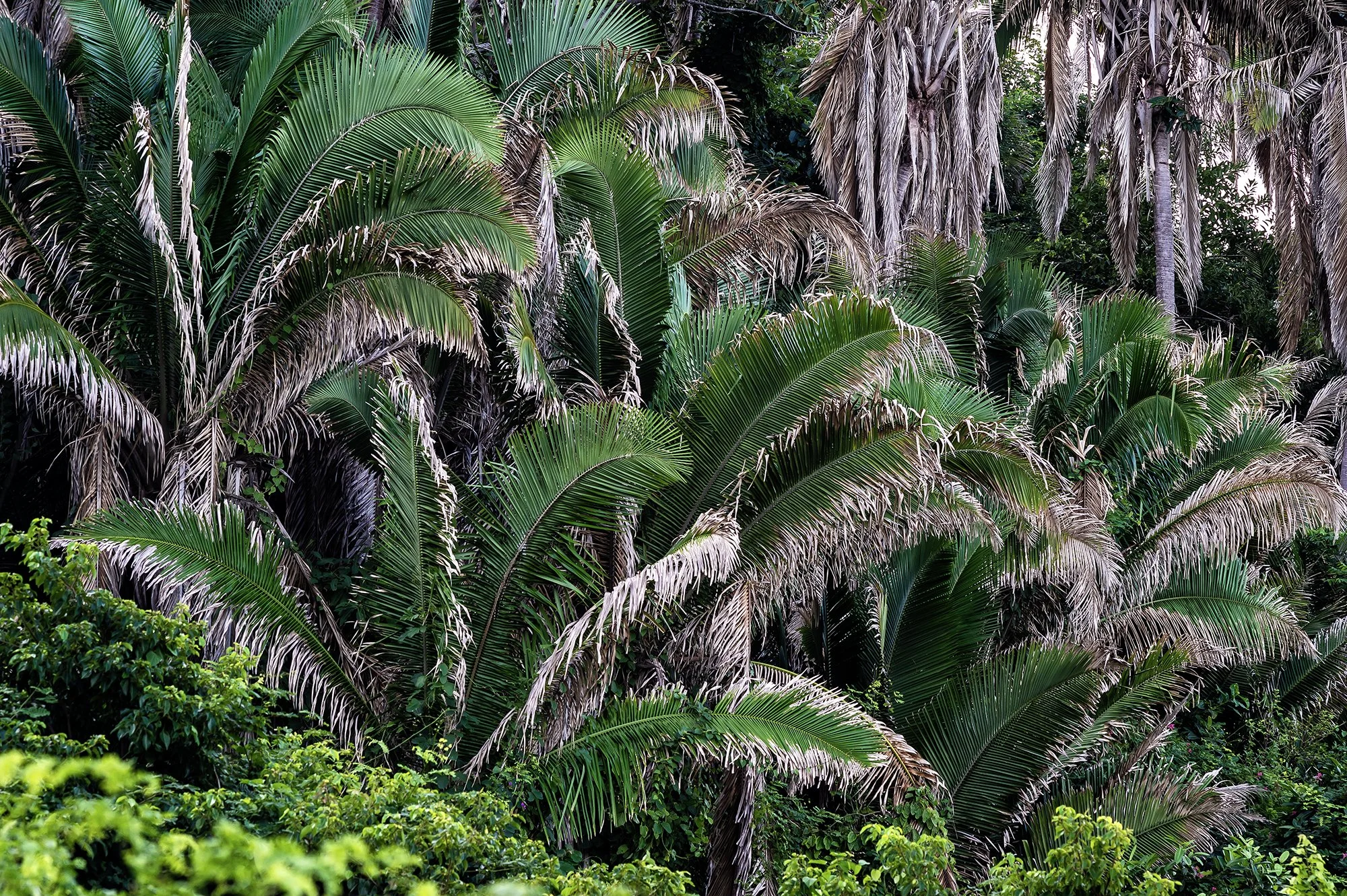
The Pacific slope of Western Mexico supports a remarkable diversity of forest ecosystems shaped by seasonal rainfall, elevation and geological history. From coastal lowlands to the foothills of the Sierra Madre, forest communities transition through distinct ecological zones that host a wide range of terrestrial species.
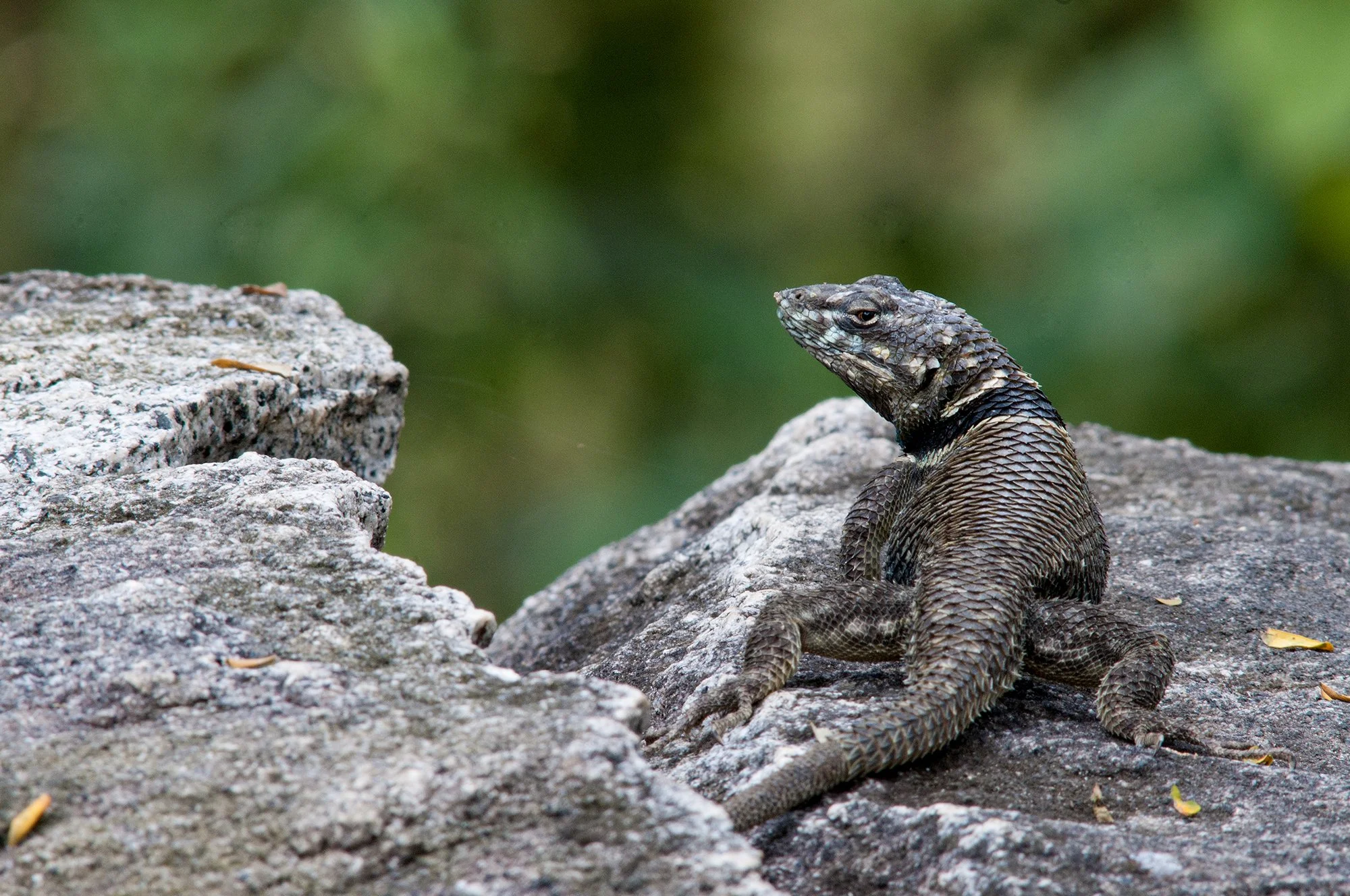
Seasonal cycles of drought and rainfall define much of the region’s vegetation structure and biological activity. These forests support diverse assemblages of amphibians, reptiles, birds and mammals, many of which are adapted to pronounced seasonal change.
Field documentation across these habitats forms the terrestrial foundation of the Viva Natura project, complementing the marine ecosystems of the adjacent Mexican Pacific.
Tropical Semi-Deciduous Forest
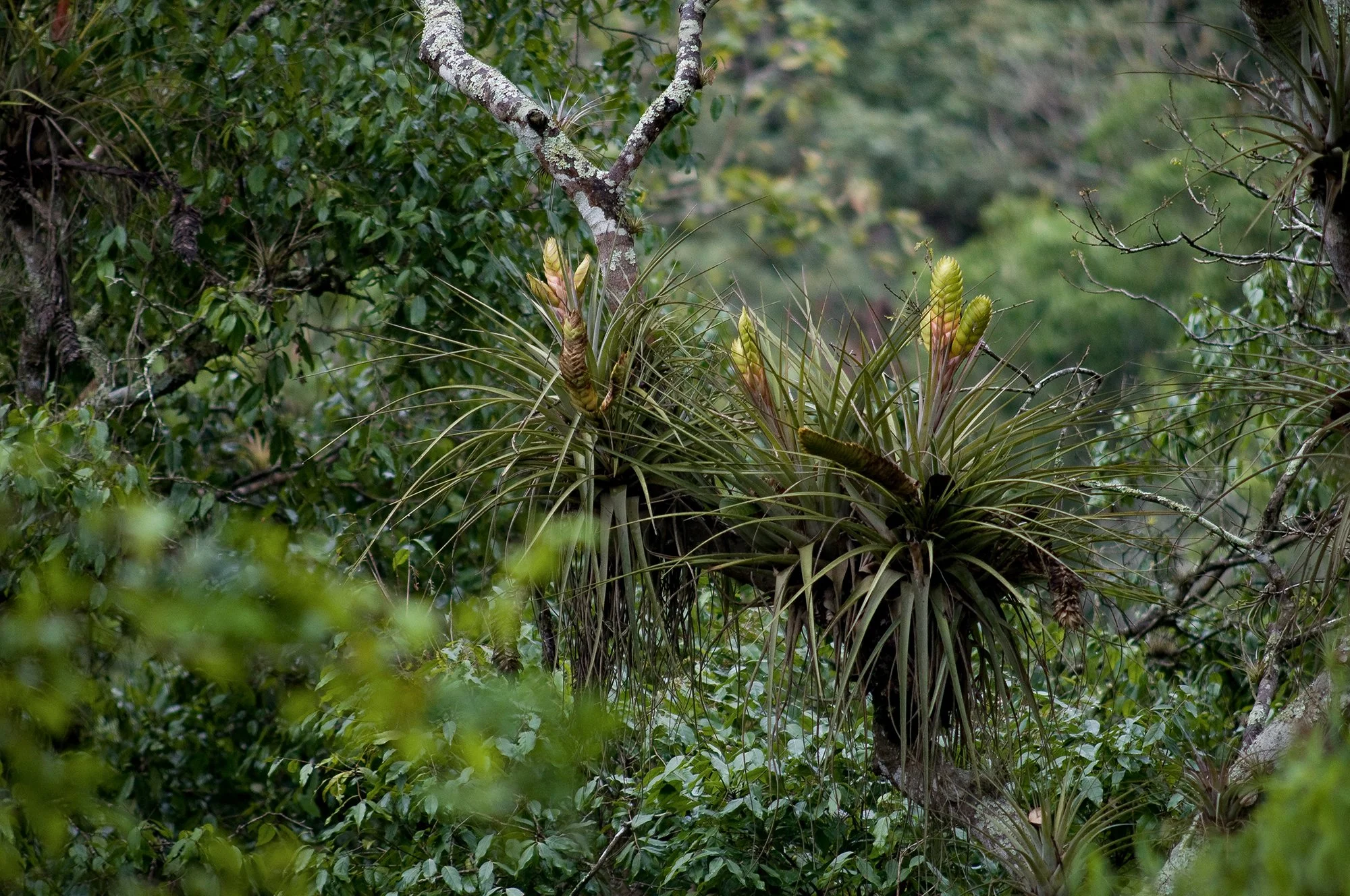
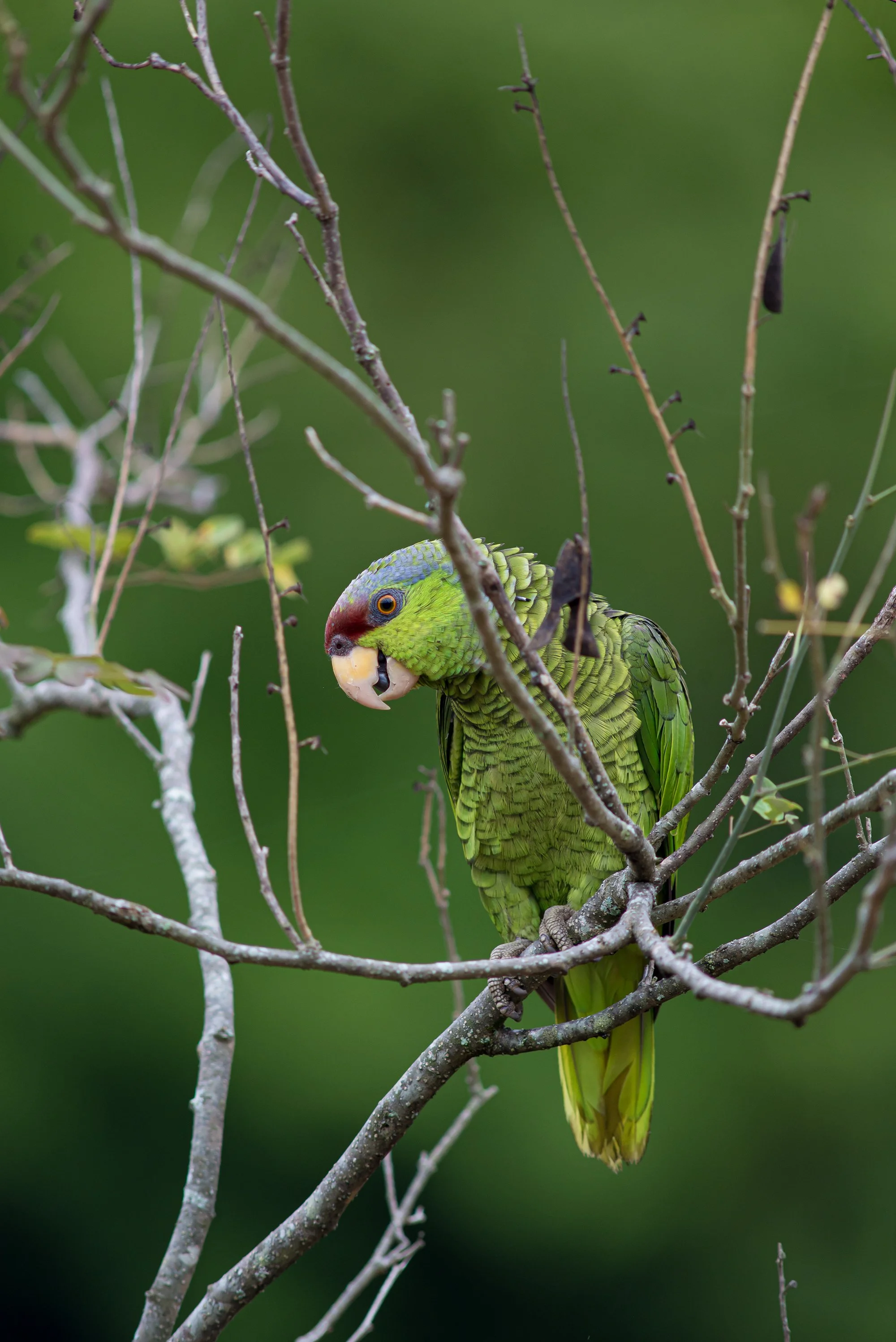
Tropical semi-deciduous forests occur in areas receiving slightly higher annual rainfall or where moisture persists through groundwater, seasonal streams or sheltered topography. Unlike the surrounding deciduous forests, where most trees shed their leaves during the dry season, semi-deciduous forests retain a portion of their canopy year-round. This results in a more layered vegetation structure with taller trees, a developed understory and greater plant diversity.
Amphibians, reptiles and invertebrates often persist here when surrounding habitats become seasonally dry, while birds and mammals take advantage of the more stable microclimate and food availability.
These transitional forests typically occur along river valleys, canyon systems and foothill slopes where local hydrology moderates the intensity of the dry season.
Tropical Deciduous Forest
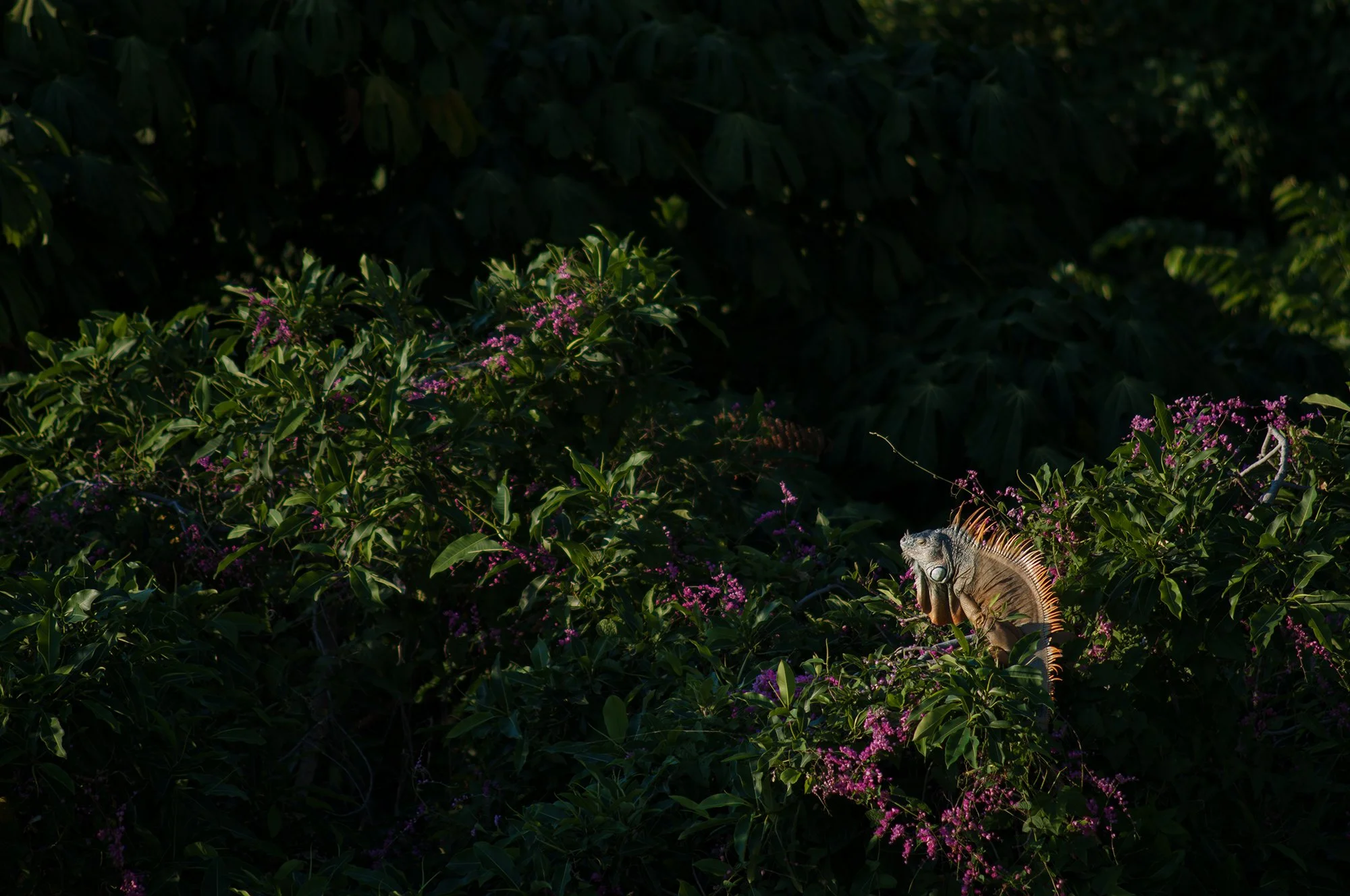
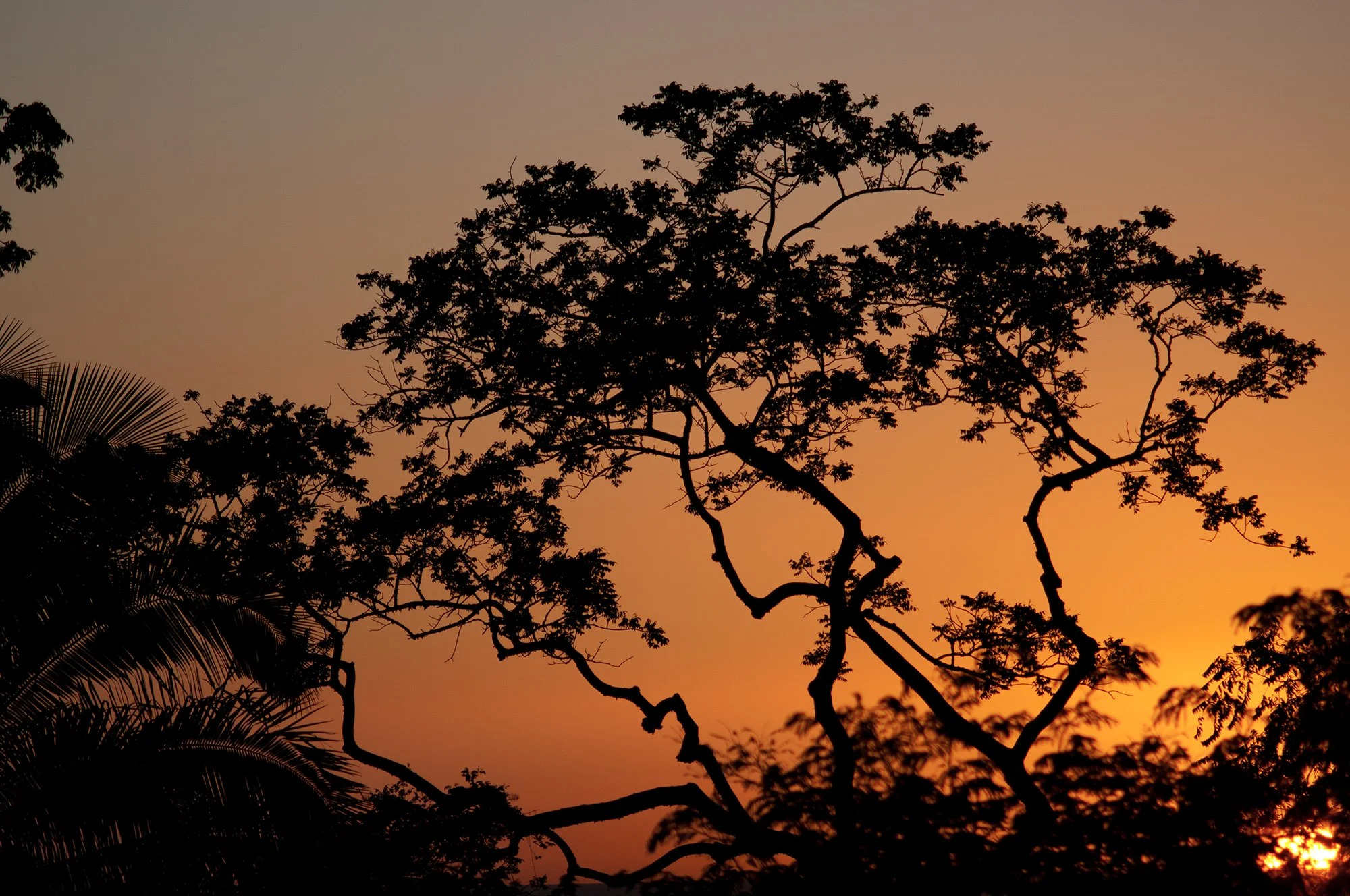
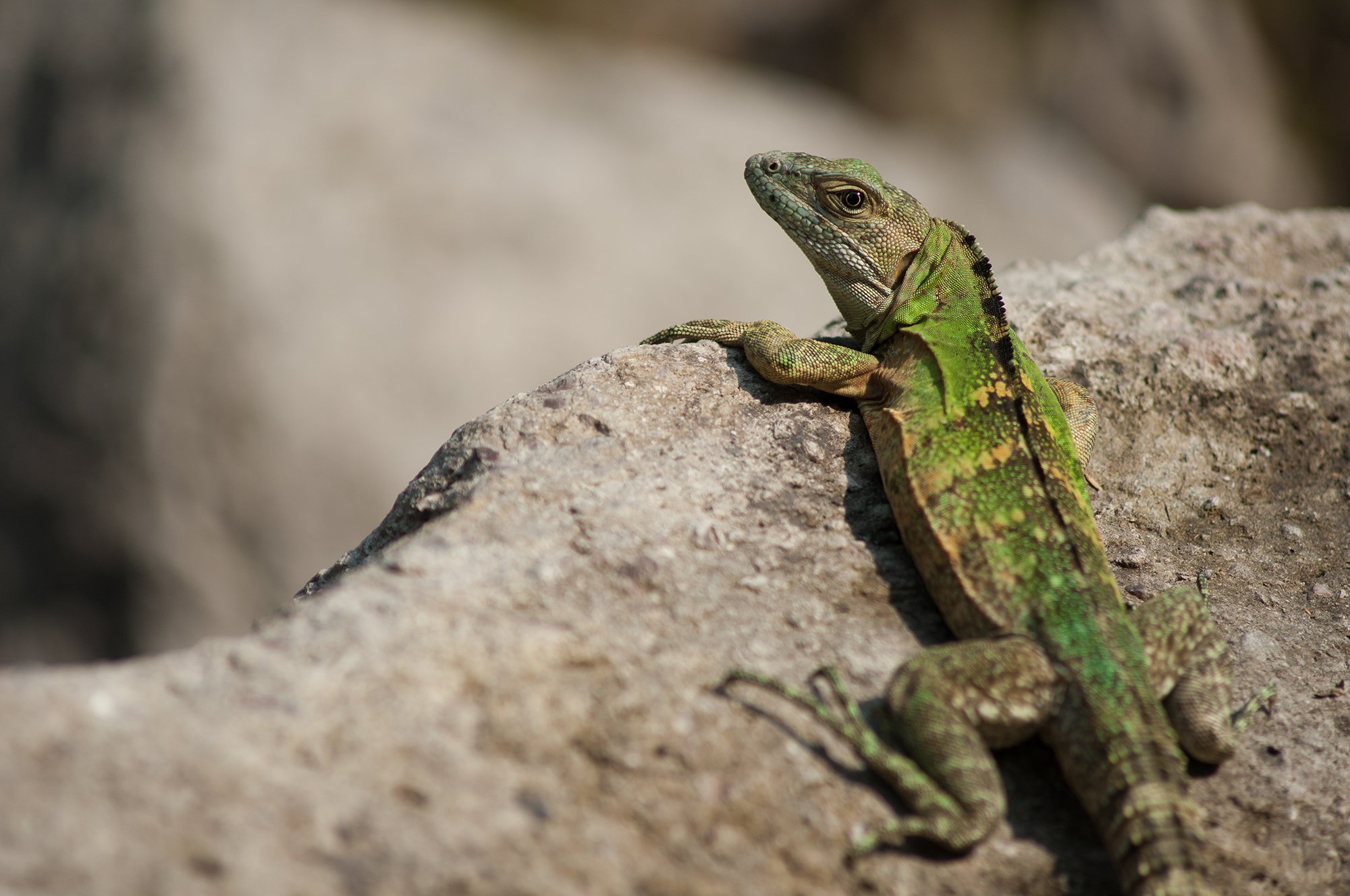
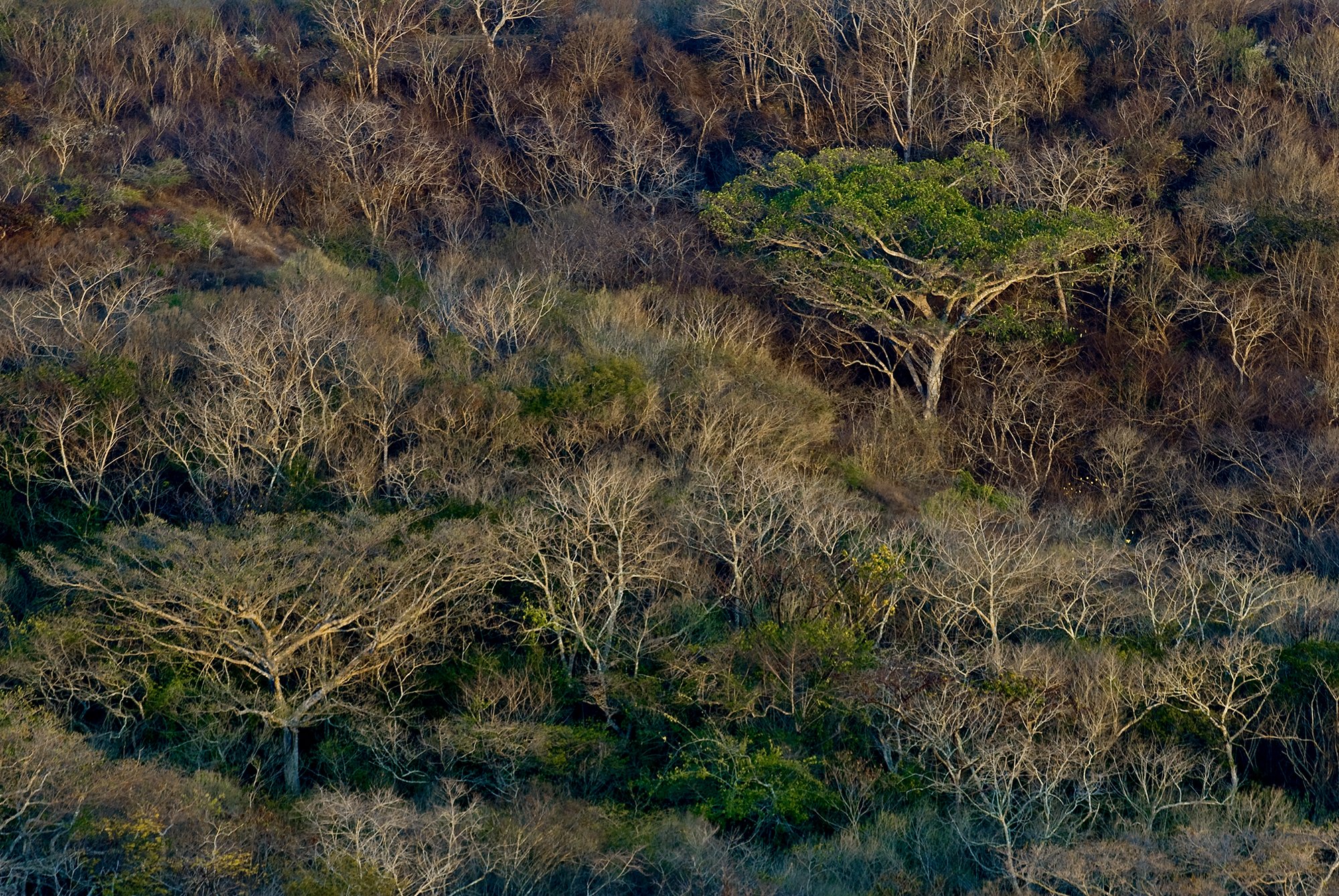
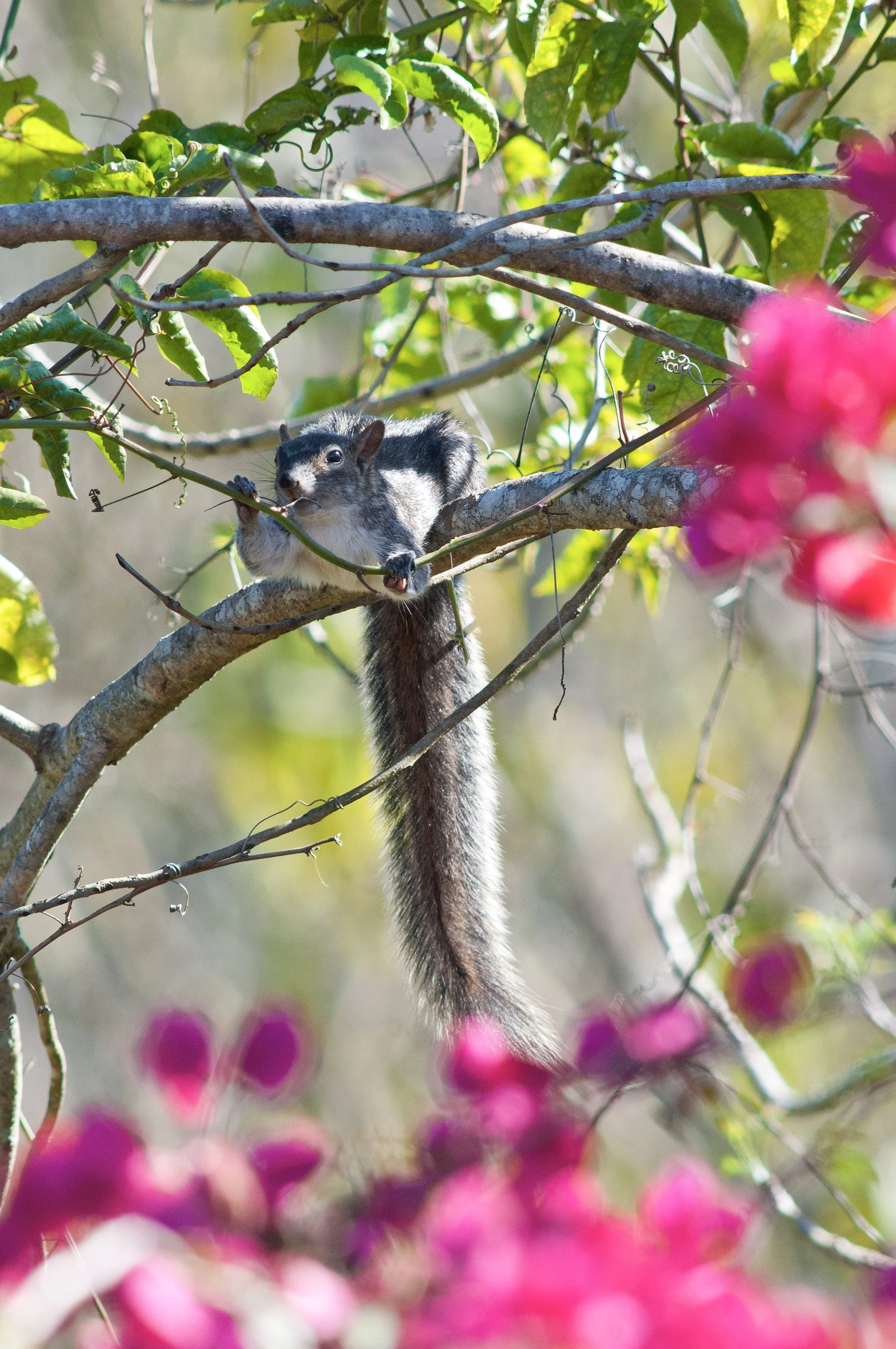
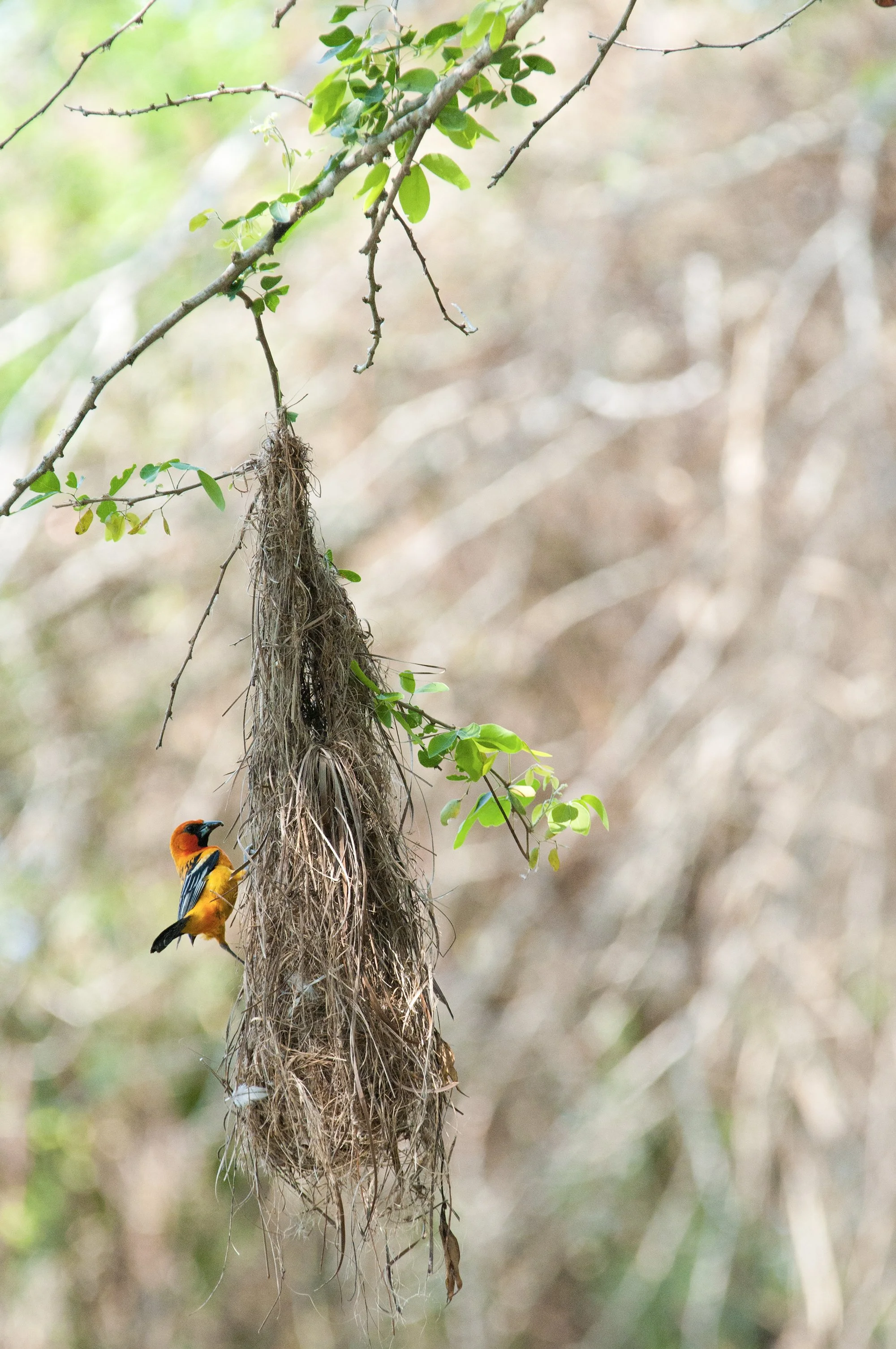
Tropical deciduous forests dominate much of the Pacific coastal lowlands of Western Mexico, where seasonal rainfall patterns create pronounced cycles of growth and dormancy. During the extended dry season, many tree species shed their leaves to conserve moisture, transforming the landscape into an open woodland of bare branches and sunlit forest floor.
With the arrival of seasonal rains, the forest rapidly regenerates. New foliage, flowering plants and increased insect activity trigger a period of heightened biological productivity that supports a wide range of reptiles, birds and mammals. Many species synchronize breeding or migration with these seasonal changes.
Temperate Forests
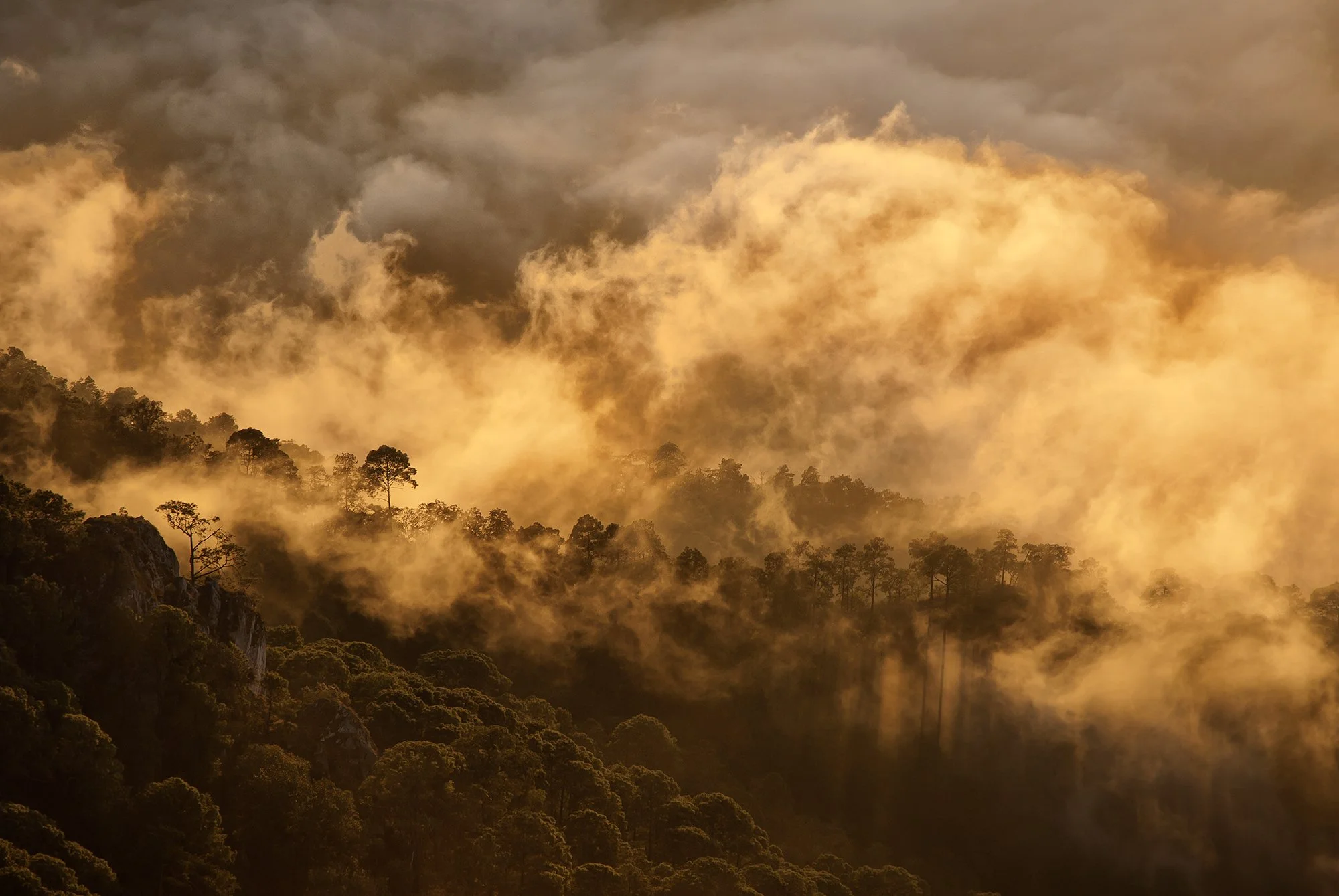
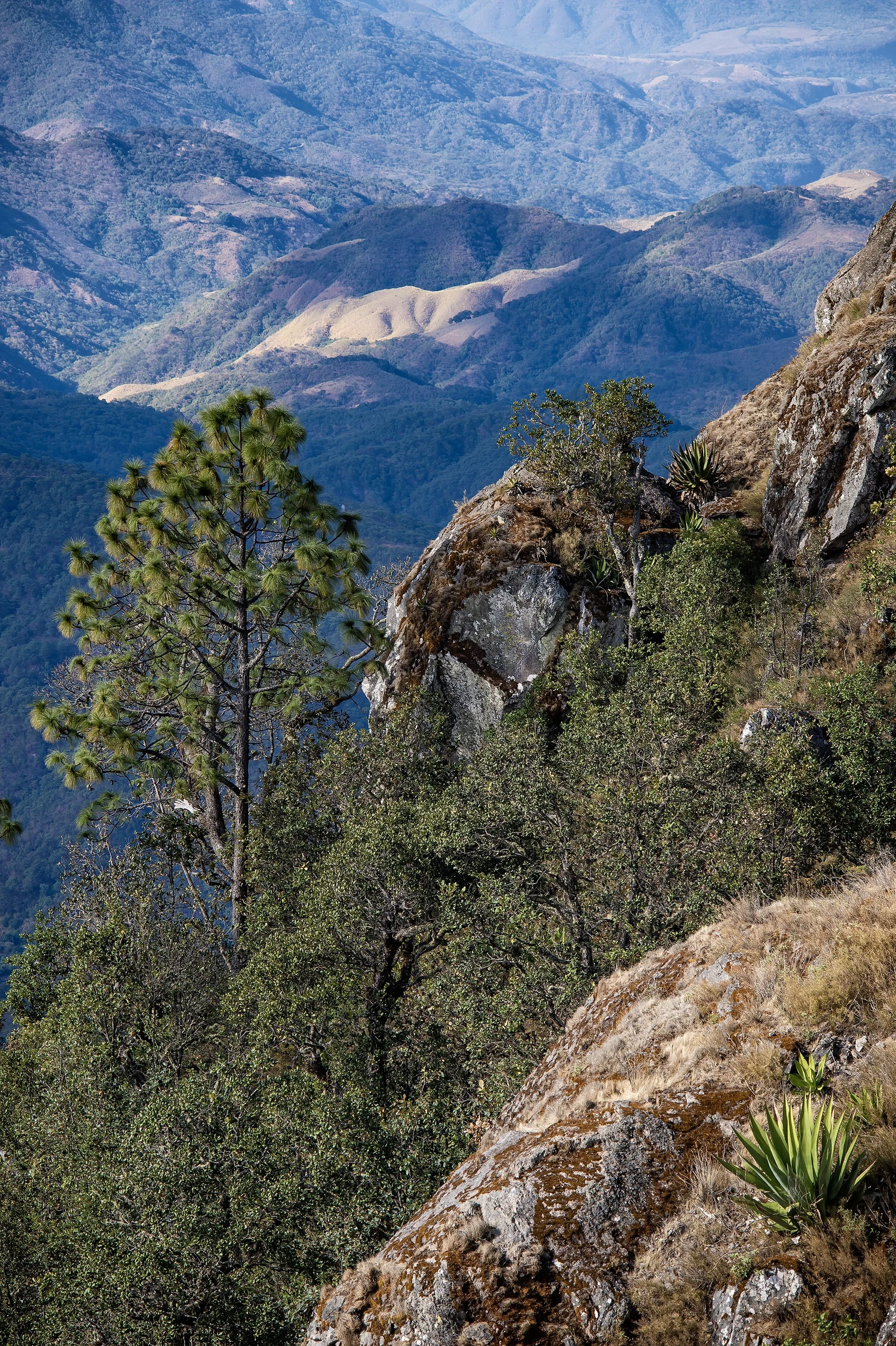
At higher elevations along the Pacific slope, tropical vegetation gradually transitions into temperate forests dominated by pine and oak species. These montane ecosystems experience cooler temperatures, increased rainfall and greater seasonal variability compared to the lowland tropical forests below.
The resulting habitats support distinct plant communities and wildlife assemblages adapted to these cooler and often more humid conditions.
These temperate forests form an important ecological bridge between tropical lowlands and the higher mountain environments of the Sierra Madre ranges. Their environmental diversity and elevation gradients contribute significantly to the overall biodiversity of Western Mexico.